Year Nine Writers Bring ‘Forgotten Armies’ to Life in National Competition
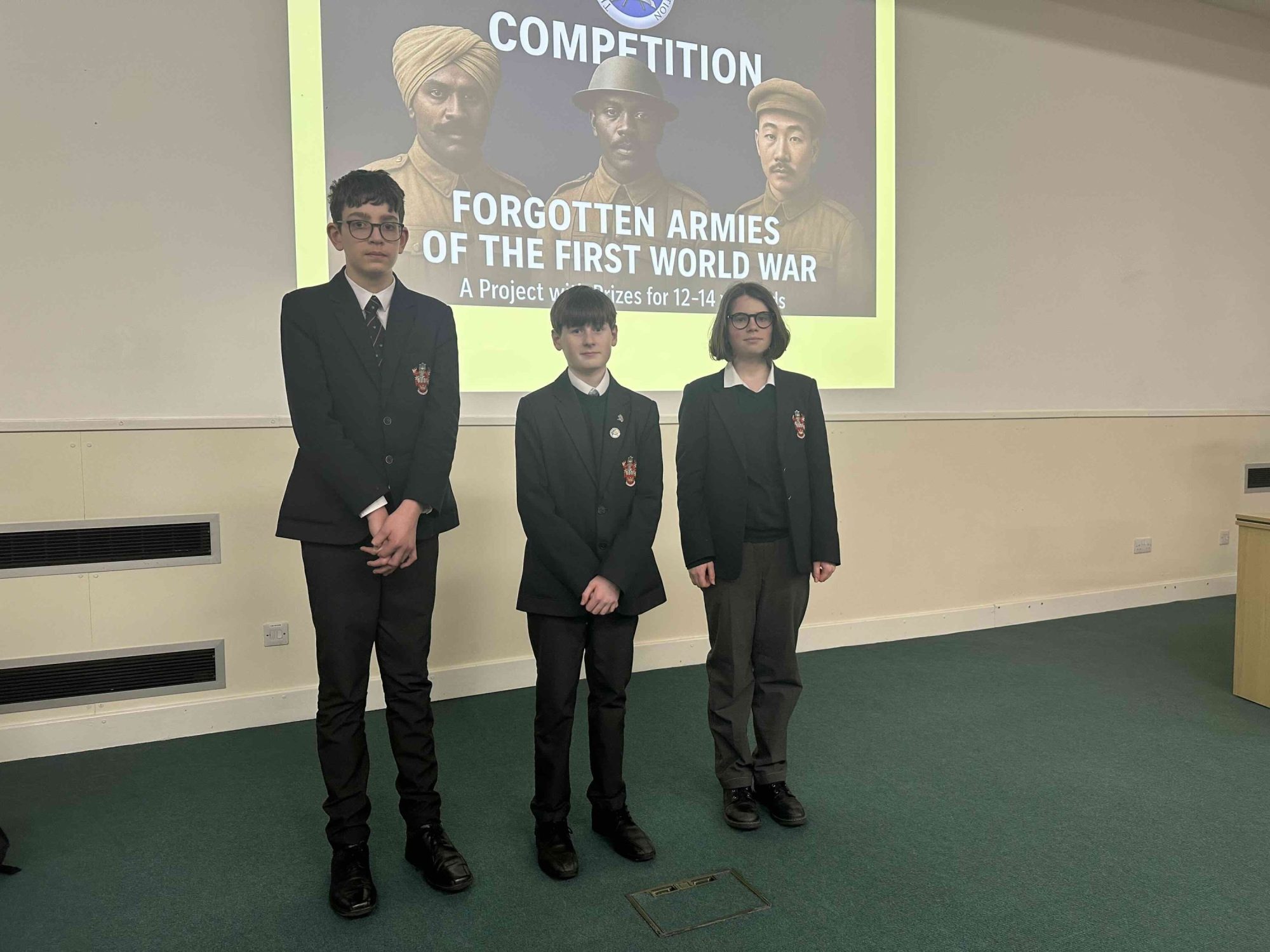
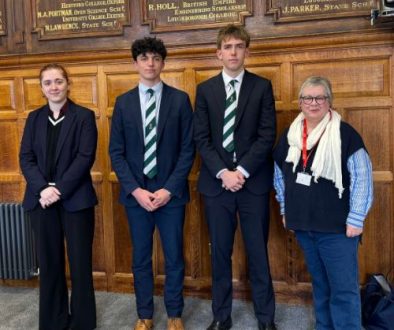
Year Nine pupils have achieved outstanding success in a national competition organised by the Western Front Association, The World’s War – Forgotten Armies. Record numbers of pupils aged 12-14 entered this year’s competition, with five shortlisted submissions coming from RGS Worcester.
Building on their First World War studies in History lessons, pupils were challenged to explore the contributions made by soldiers and civilians from outside Europe, across the Empire and beyond. Entries could take the form of a speech or poem suitable for a Remembrance Service or memorial, encouraging pupils to combine historical research with thoughtful reflection.
The Western Front Association praised the exceptionally high standard of submissions, noting that “many of the entries were outstanding, making judging very difficult. The speeches were often very well researched and demonstrated a strong sense of audience, while the use of language in the poems often made them very moving.”
All RGS Worcester entries were judged to be excellent, with two of the ten overall winning submissions coming from the School. Oliver Phillips’ winning speech explored the experiences of three individual soldiers: Alhaji Grunji from the Gold Coast, John Fitzgerald from Australia and Mike Mountain-House, a member of the Kanai First Nation from Canada. Dylan Hatchett’s winning entry focused on the significant contribution of the Gurkhas, while Caroline Foster’s poem exploring the symbolism of poppies was also highly commended.
The competition provided pupils with a meaningful opportunity to deepen their understanding of the global nature of the First World War and to reflect on the stories of those whose contributions are less widely recognised. As Dylan wrote, “To remember them is not just an act of historical appreciation but an act of historical accuracy. World War One was won by global effort, helped by people from the whole world and the sacrifices of the forgotten armies.”
Mrs Harrison, Head of History & Politics