Psychology A Level Students Gain Powerful Insight into Schizophrenia
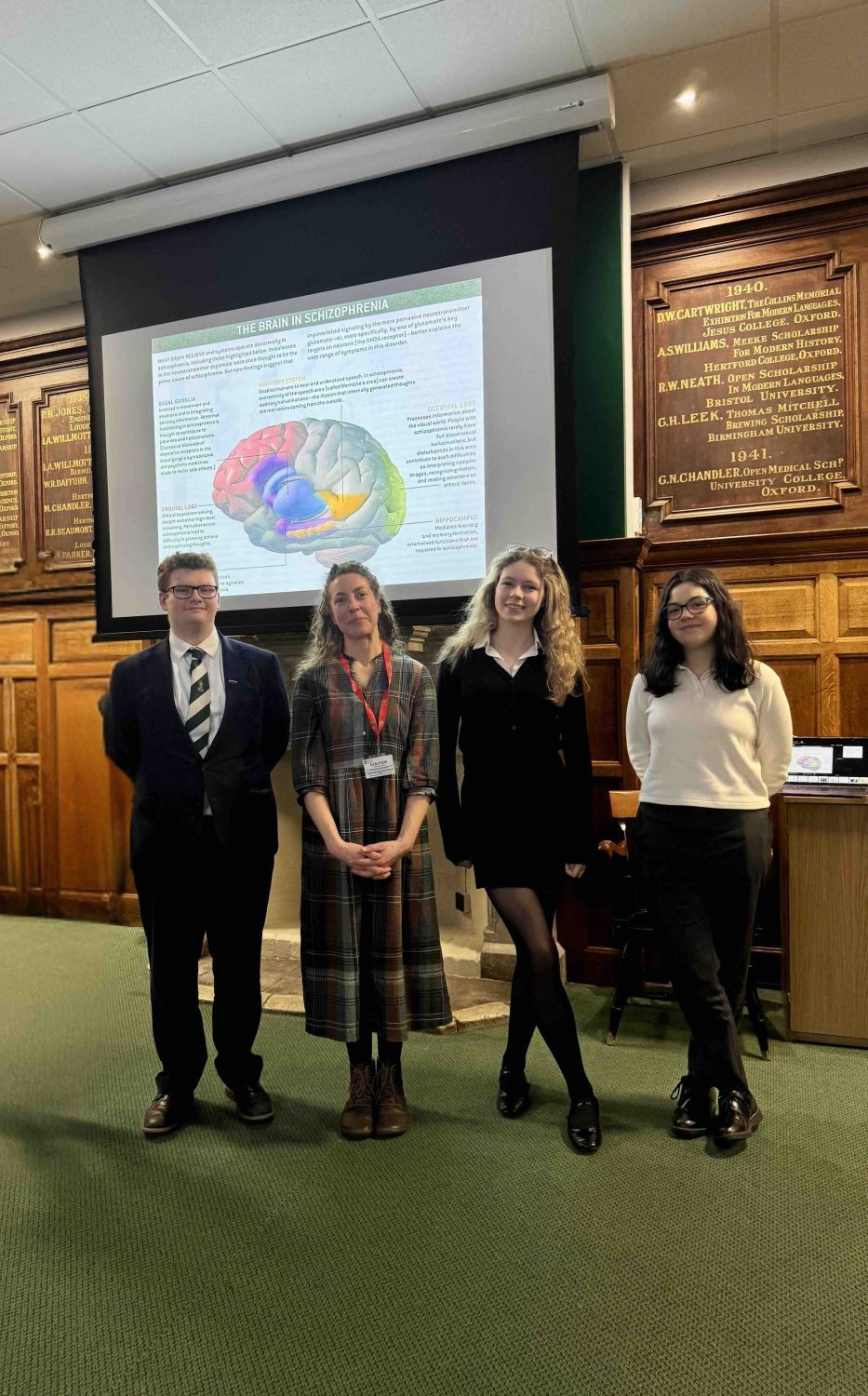
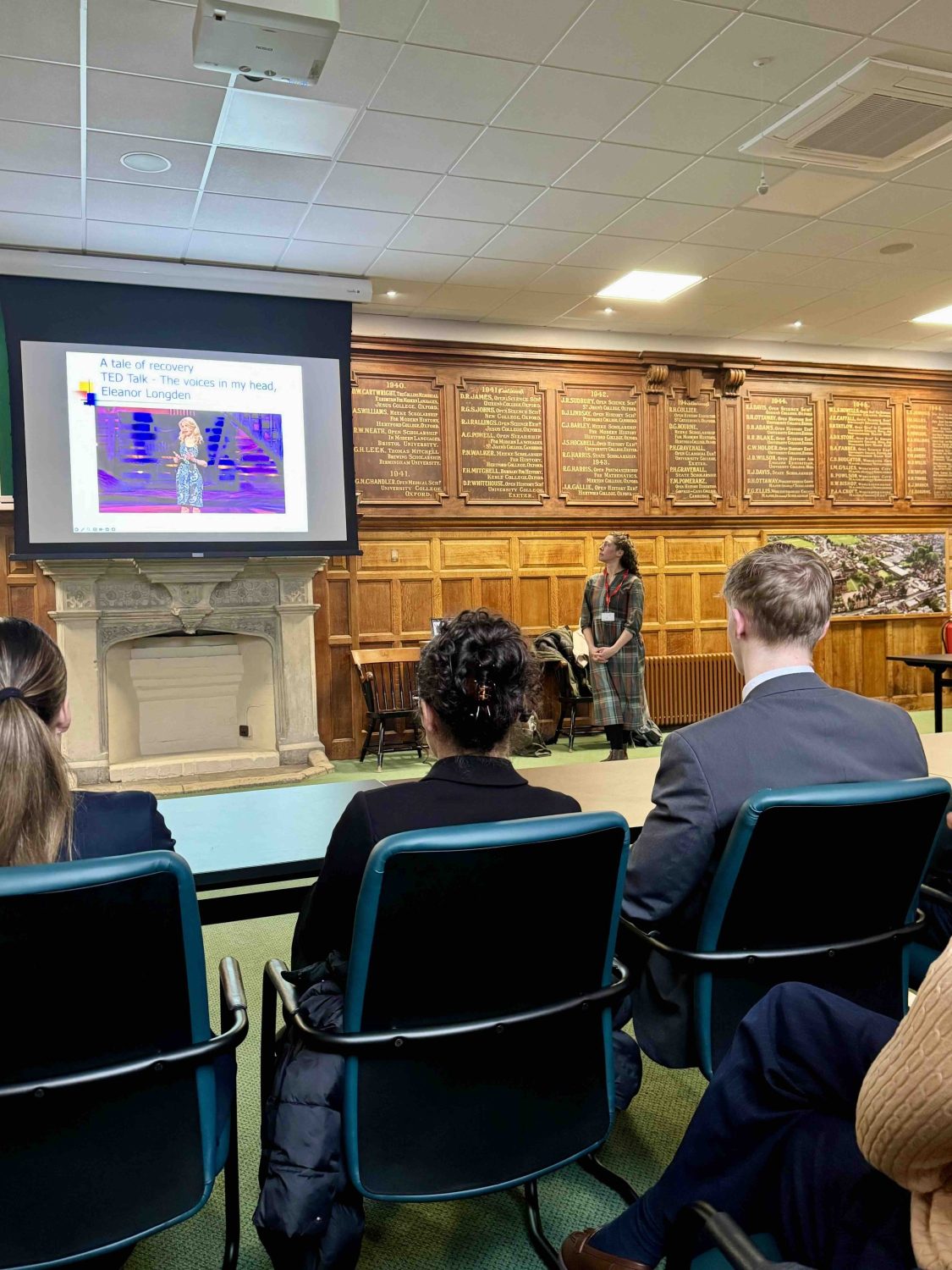
Upper Sixth Psychology students recently welcomed a practising psychiatrist into school for an engaging and thought-provoking talk on schizophrenia, directly supporting their A Level studies of the Schizophrenia topic.
The session provided pupils with a valuable opportunity to explore the condition beyond the textbook, gaining first-hand insight into how schizophrenia presents in clinical settings and how it is treated in practice.
The psychiatrist explained key diagnostic features, including so-called “positive symptoms” such as hallucinations and delusions, and “negative symptoms” such as apathy, loss of motivation and social withdrawal.
Students heard vivid examples of auditory hallucinations, including voices that provide a running commentary on a person’s actions or discuss them in the third person as well as persecutory delusions in which individuals may feel monitored or targeted.
The talk also explored how schizophrenia is diagnosed using international criteria, and why clinicians today often use the term “first episode psychosis” initially, in order to avoid giving young people a potentially stigmatising label too early.
Students learned that recovery outcomes vary, with many individuals making a very good recovery following treatment.
The speaker also discussed insight – whether individuals recognise that they are unwell – and the ethical complexities involved in treatment, including occasions where the Mental Health Act must be used to ensure patient safety. This prompted thoughtful discussion among students about autonomy, safeguarding and the challenges of clinical decision-making.
Throughout the session, students asked perceptive questions and engaged maturely with complex and sensitive material. The talk brought their classroom learning to life, reinforcing key curriculum content while deepening their understanding of the lived experience behind the diagnosis.
Experiences such as this enrich the A Level Psychology course at RGS Worcester, enabling students to connect theory with real-world clinical practice and to develop both academic insight and empathy, qualities essential for those considering future careers in psychology, medicine or mental health professions.