Volcanoes, Ancient History & Adventure in Italy
During October Half term, RGS Worcester pupils from Year Eleven to the Upper Sixth travelled to the Bay of Naples and Sicily for a six-day Geography and Classics trip, exploring Italy’s remarkable volcanic landscapes, archaeological sites and historic towns.
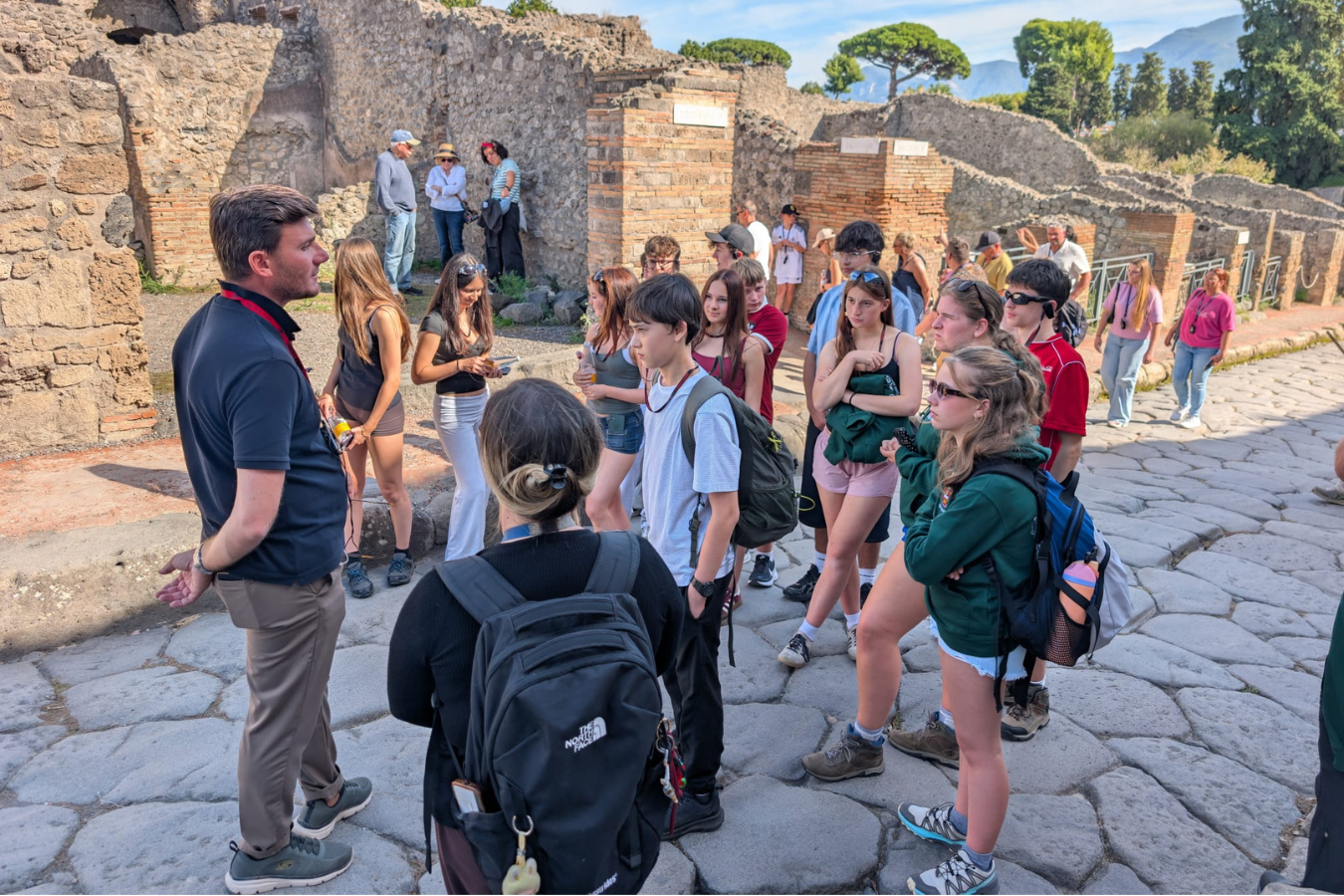
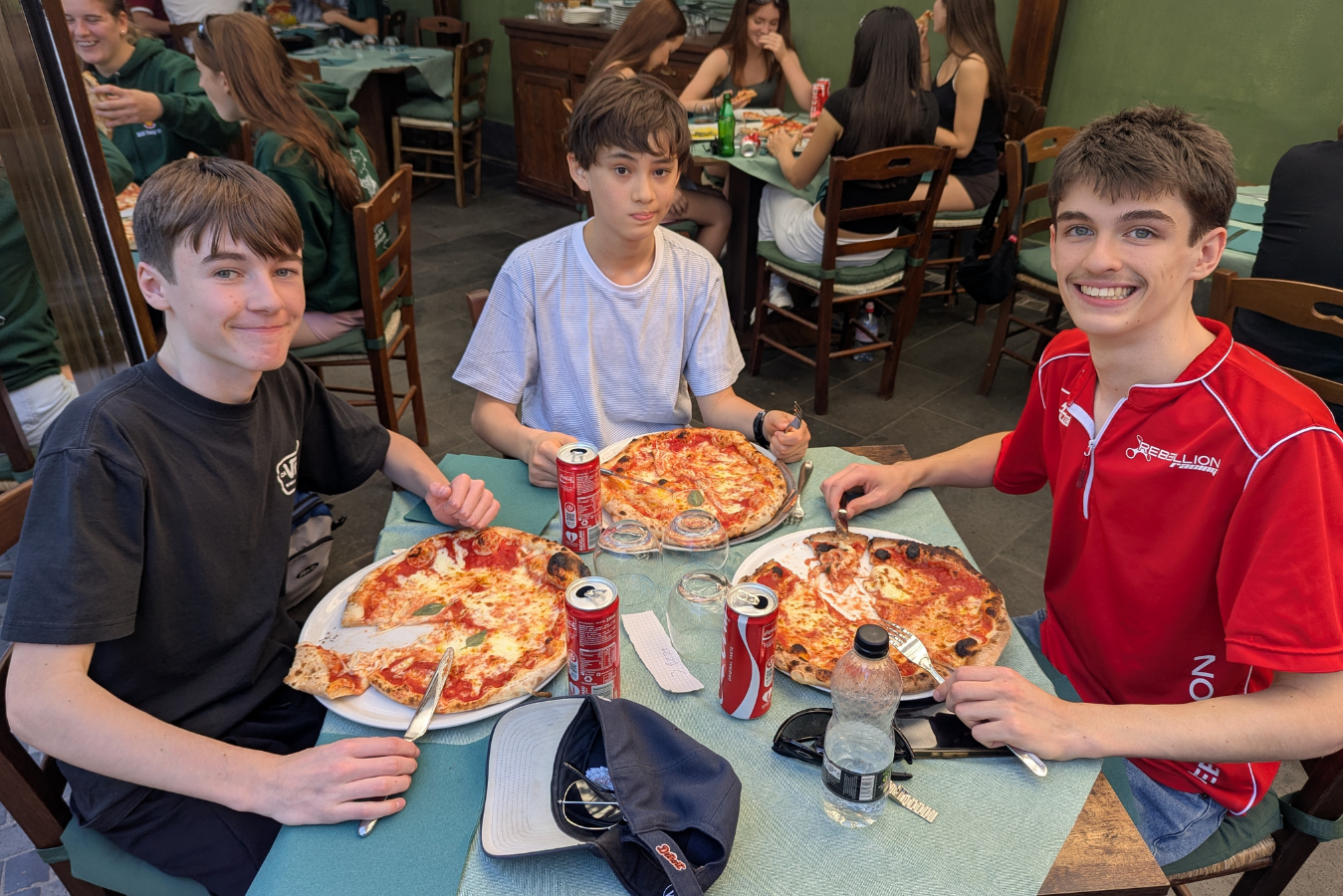
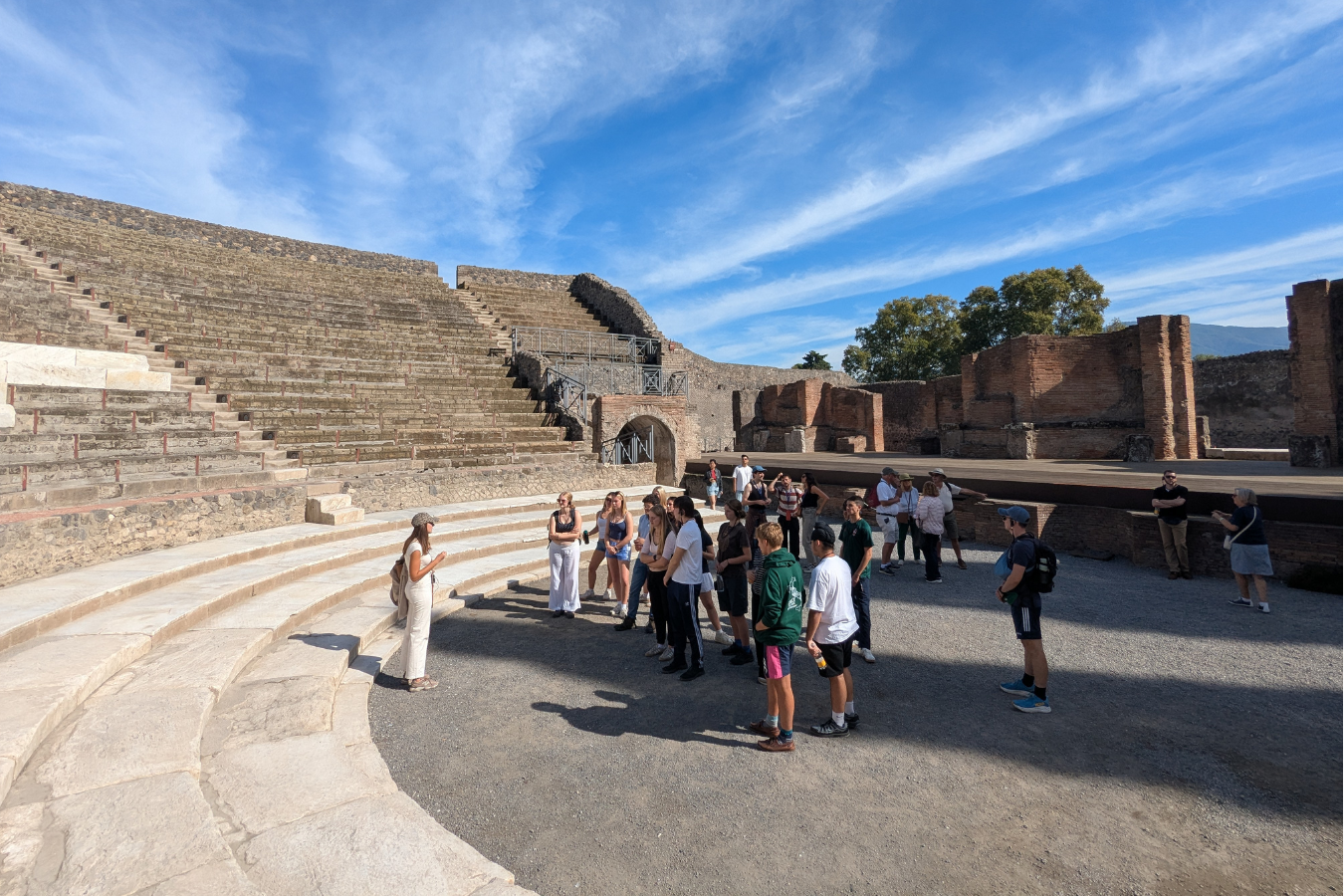
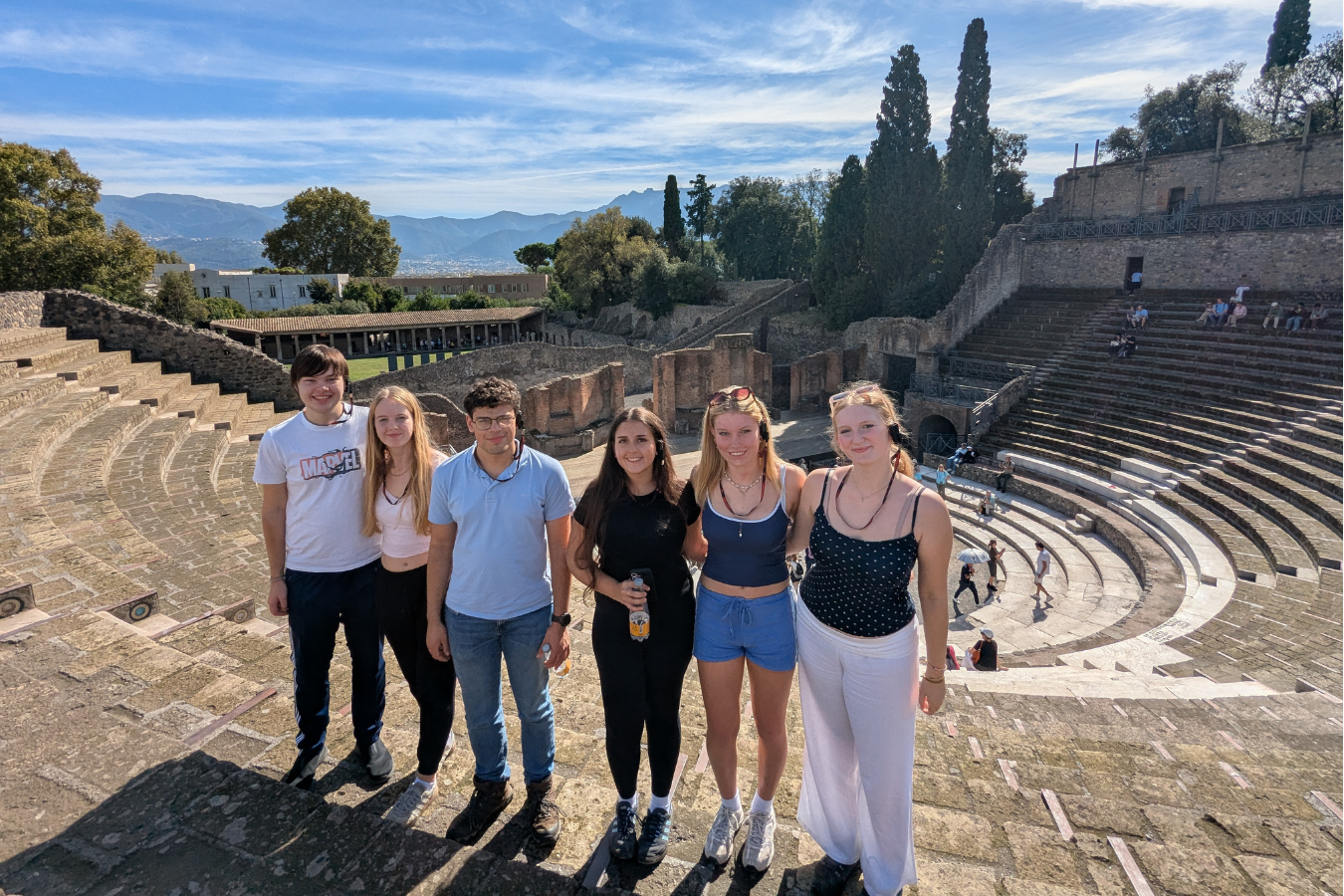
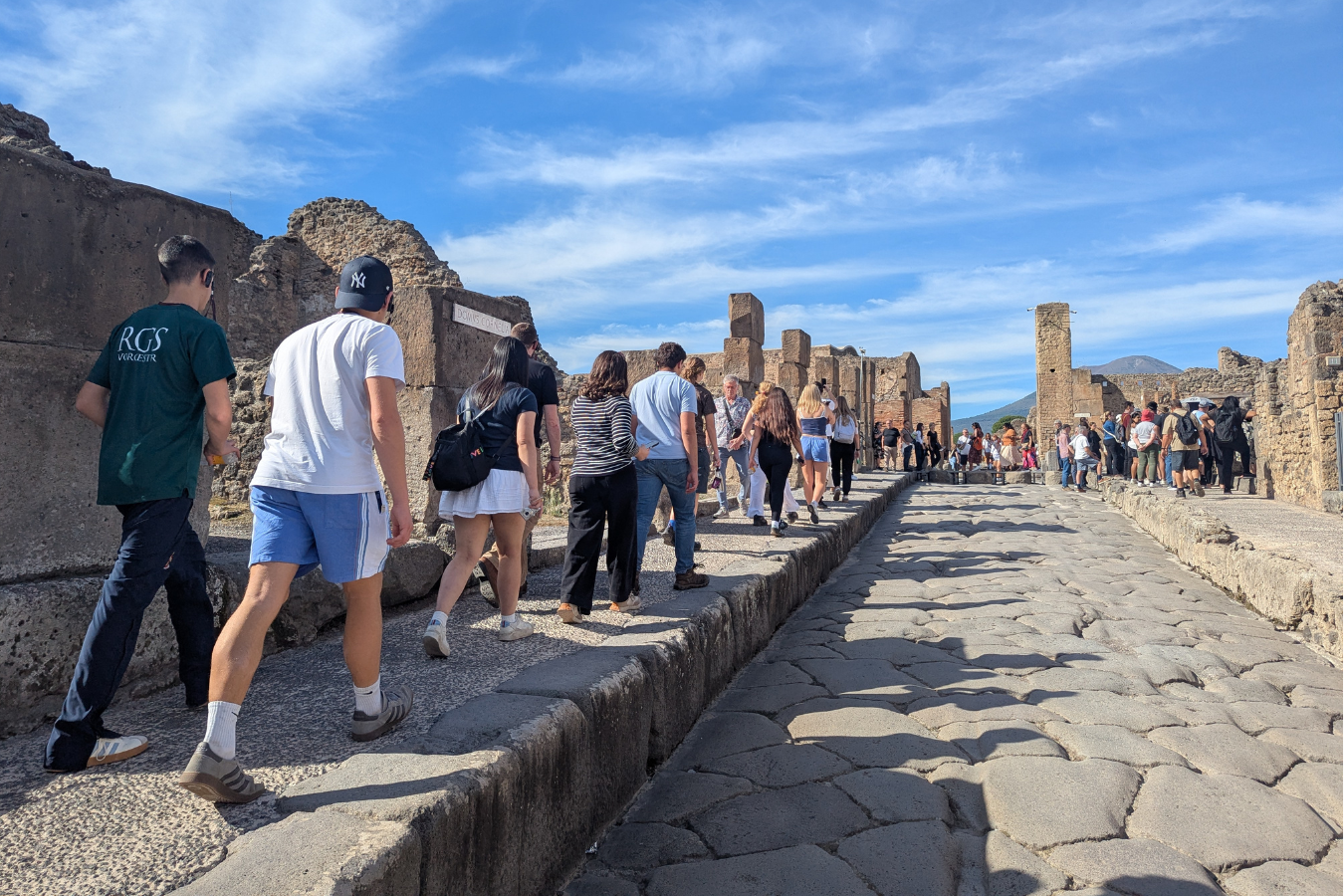
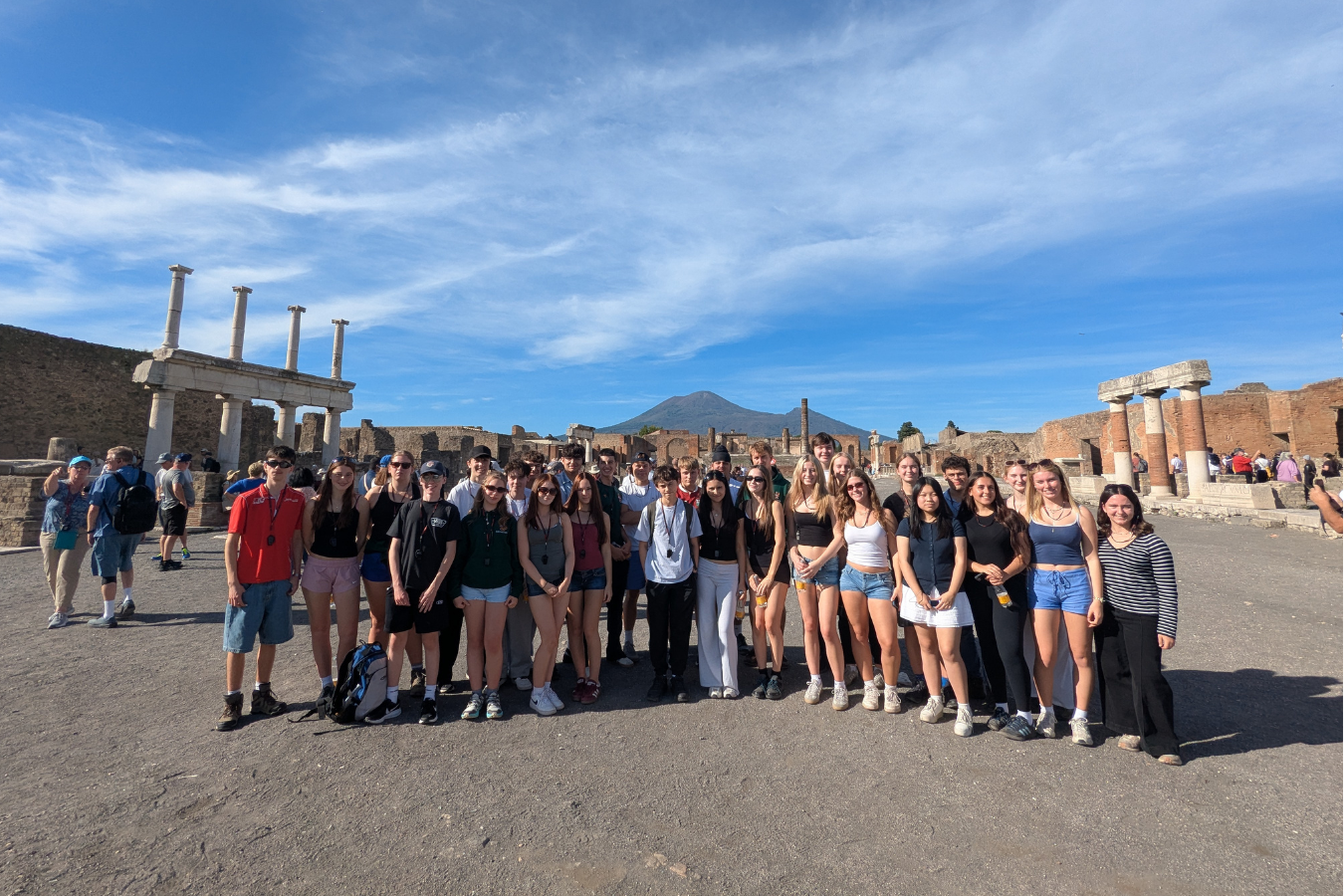
The trip began with a particularly early departure from RGS The Grange before the group travelled to Luton Airport and onwards to Naples. After enjoying their first Italian pizza, pupils and students visited Pompeii, discovering how the eruption of Mount Vesuvius in AD 79 preserved a fascinating insight into everyday Roman life.
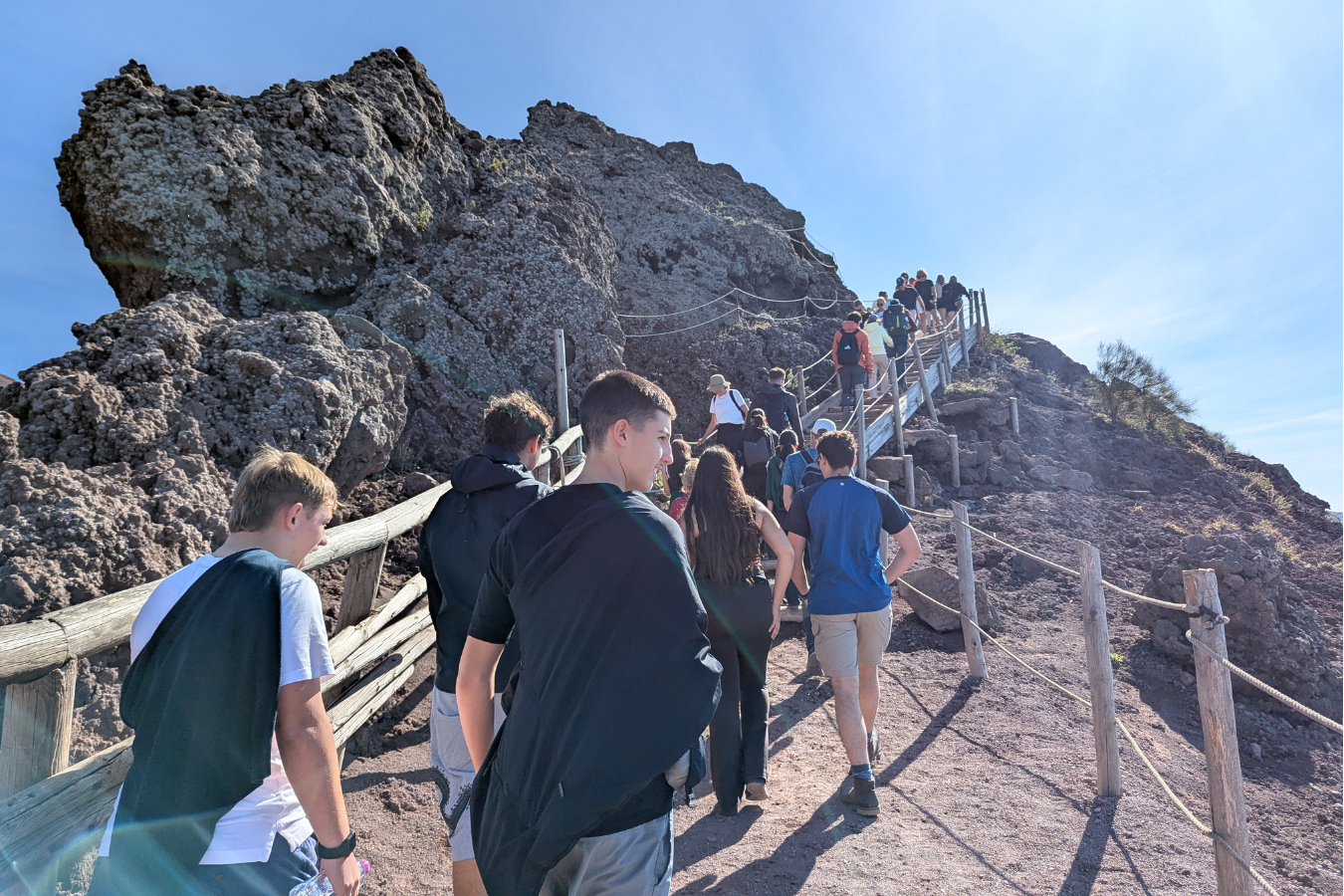
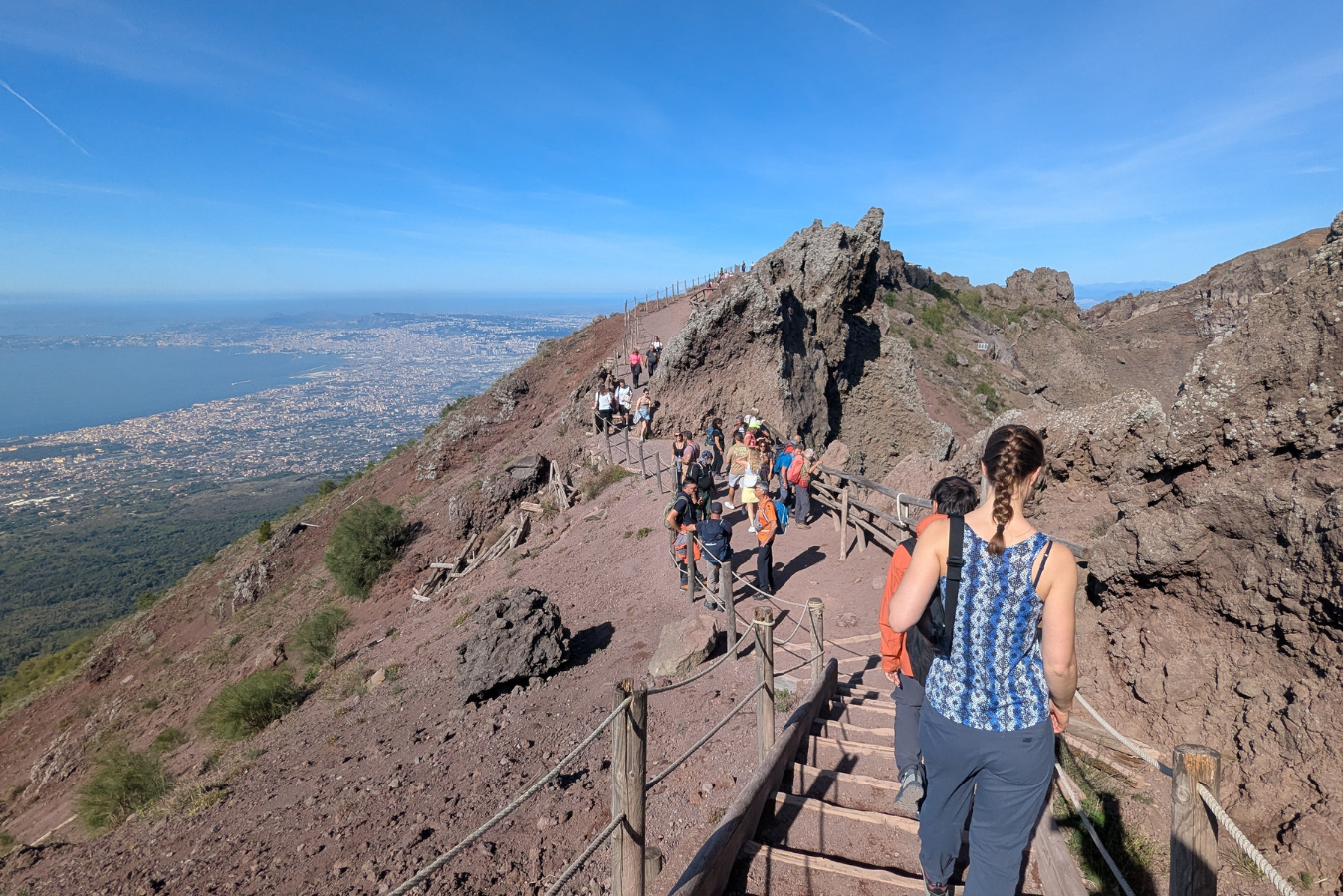
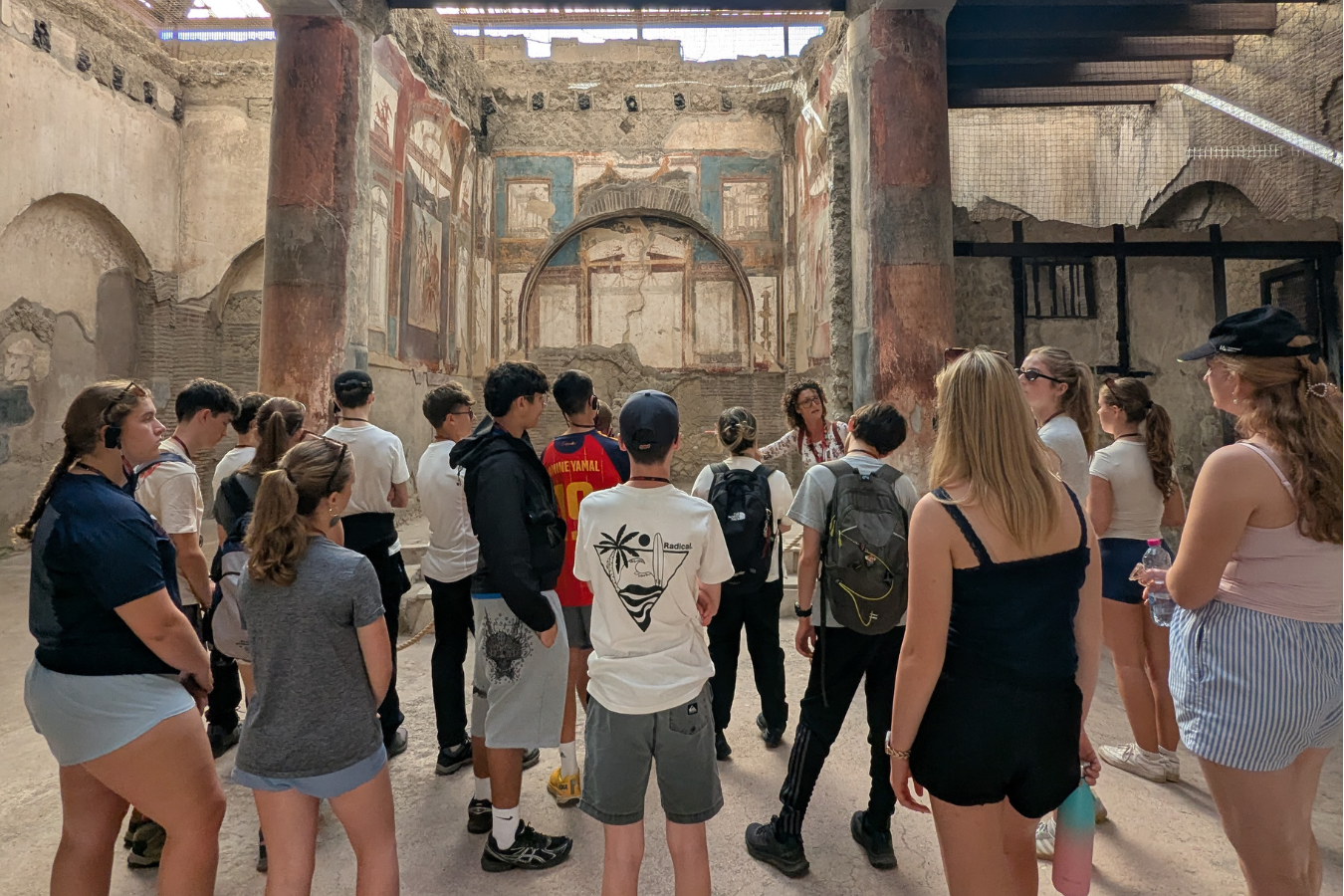
Following a stay in Sorrento, which included some welcome swimming in the warm sea, the group explored Mount Vesuvius with a specialist volcanologist guide, learning about its formation, eruptions and impact on the surrounding landscape. The distinctive smell of sulphur was rather less popular with the students, although Mr Newport was delighted with his new souvenir mug made from volcanic rock! The group also visited Herculaneum, another Roman town buried by the eruption, where the warm afternoon weather added to an already busy day of exploring.
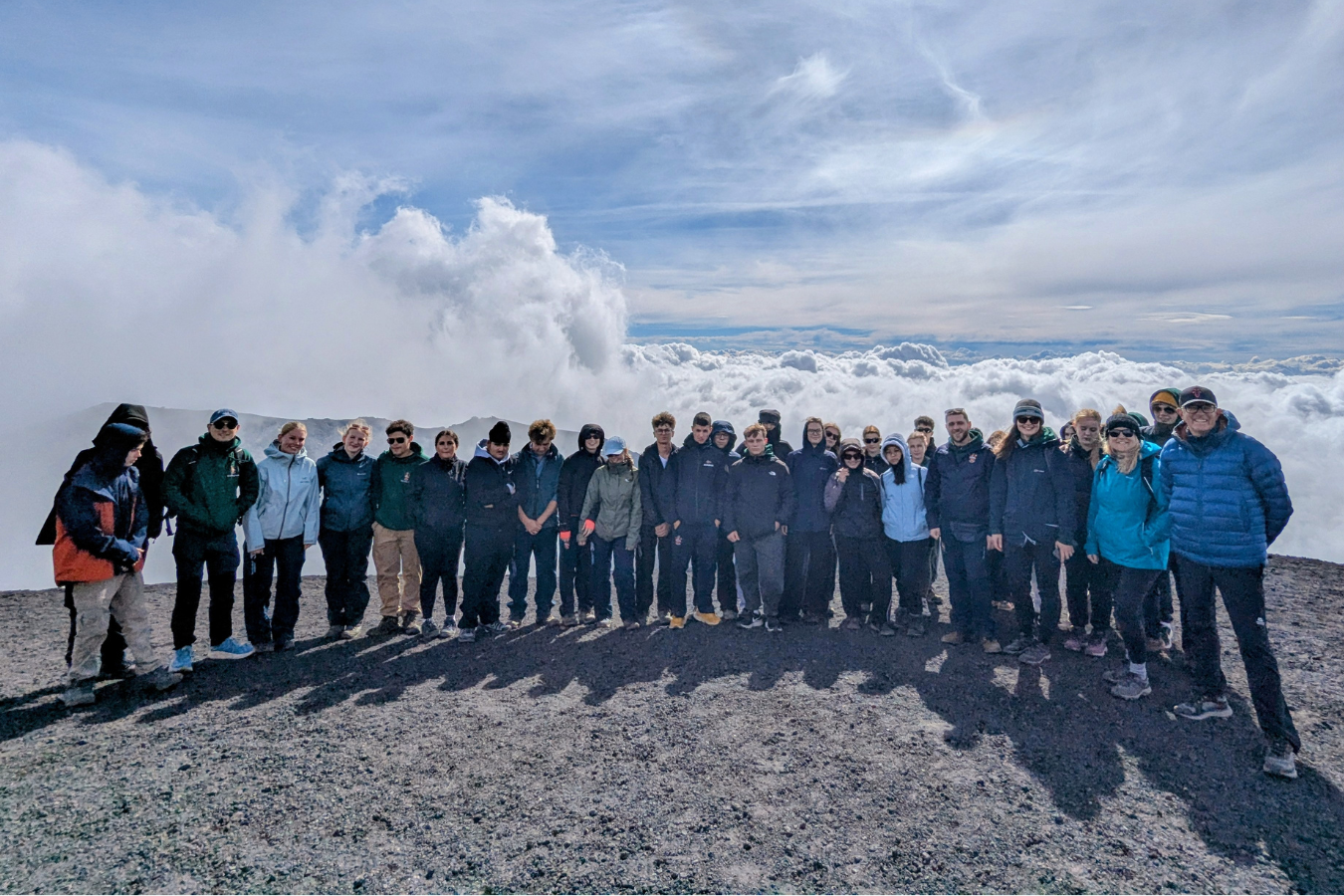
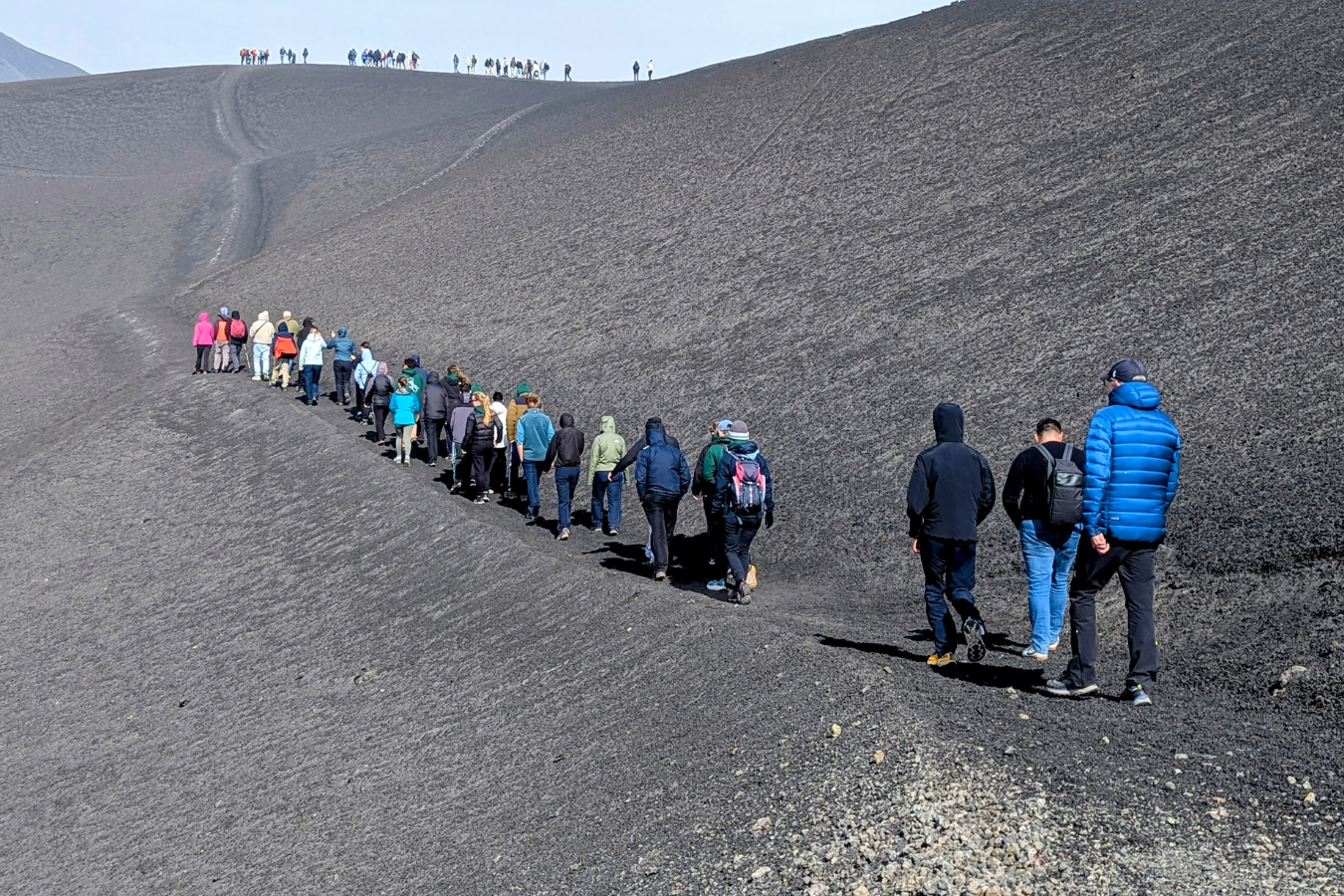
Another early start, this time at 5.00am, saw the group travel onwards to Sicily and Mount Etna, Europe’s highest active volcano. Despite a few challenges along the way, everyone successfully made it up the mountain, enjoying spectacular views above the clouds. Some well-deserved Italian treats, including cannoli, were particularly welcome on the way back down!
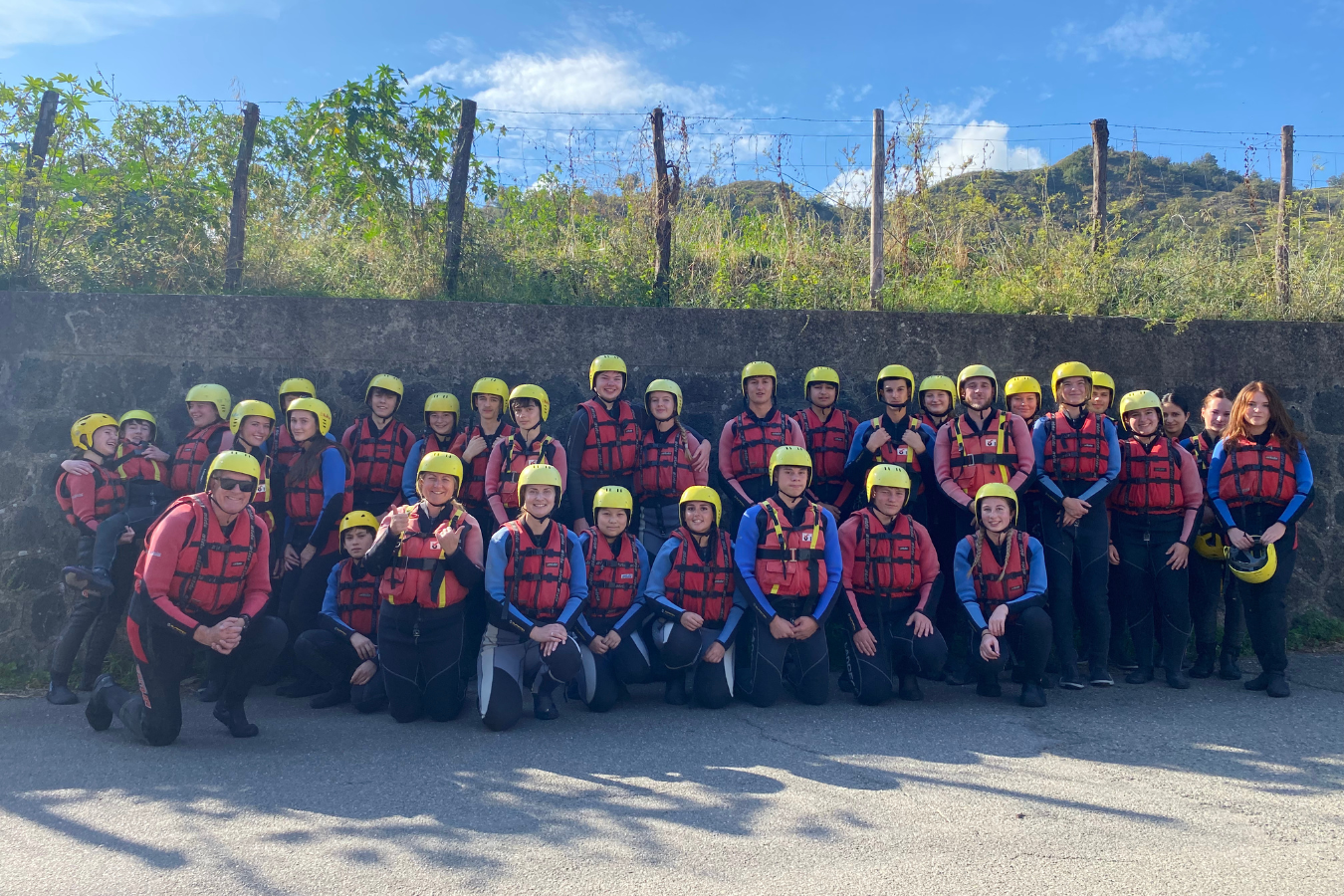
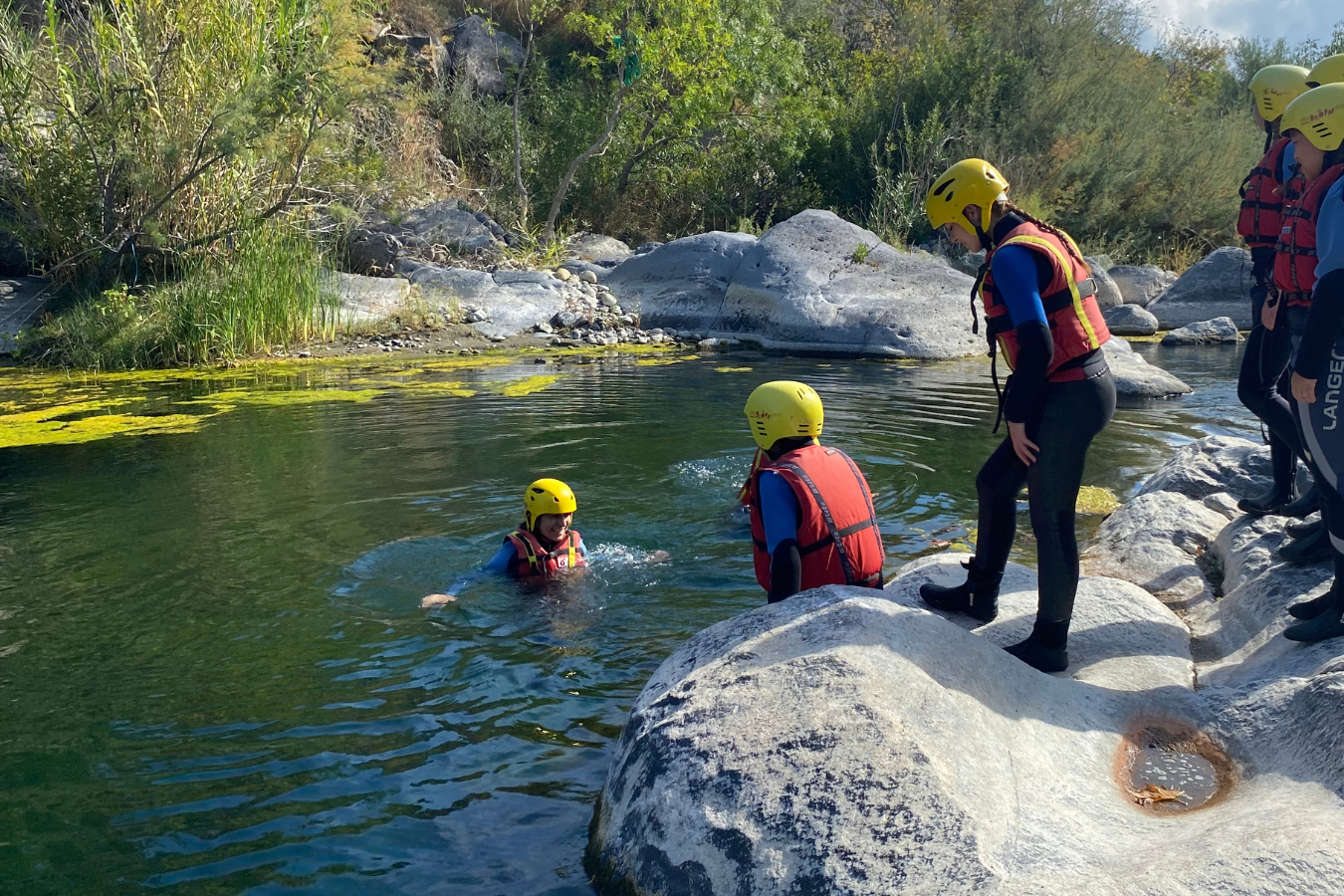
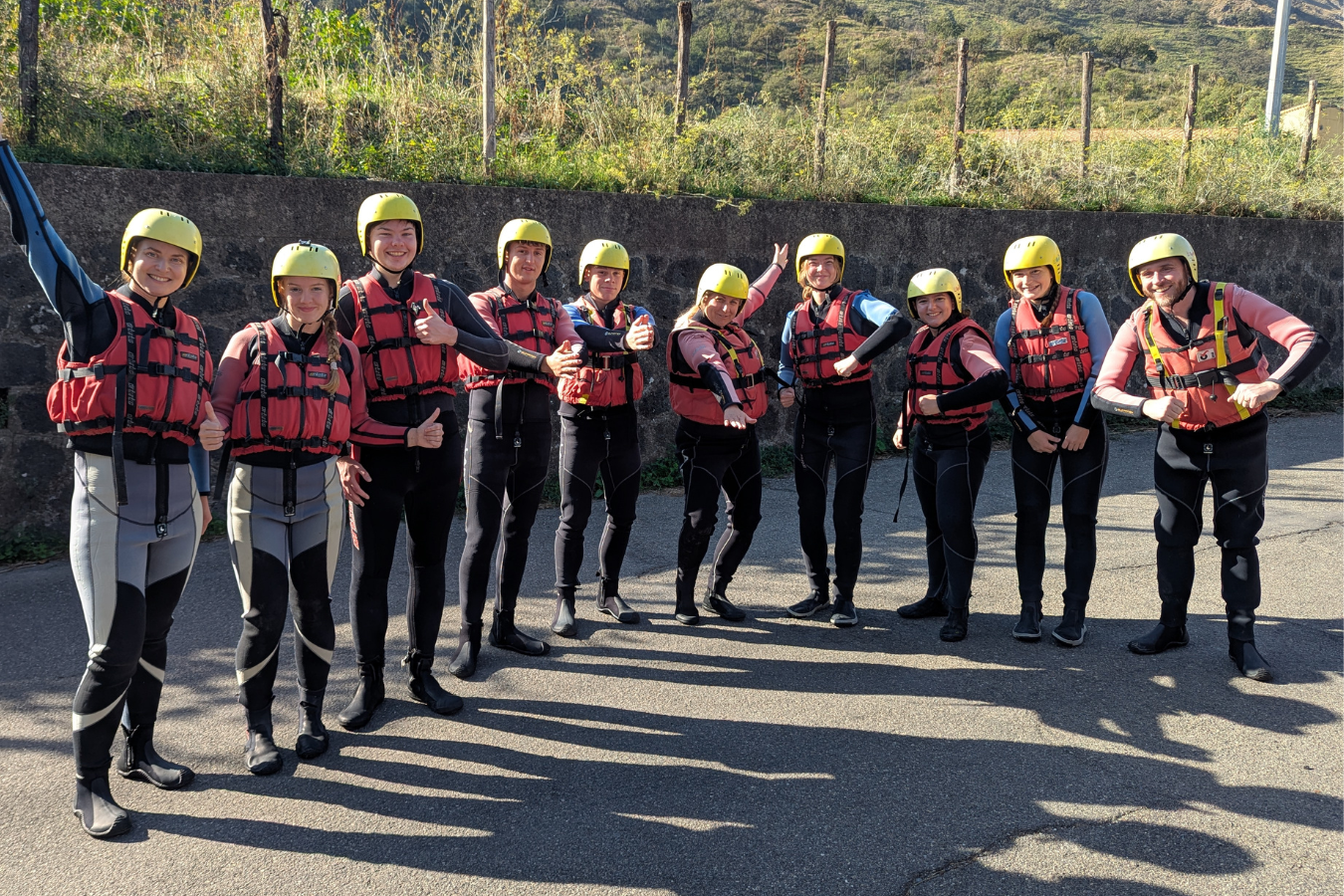
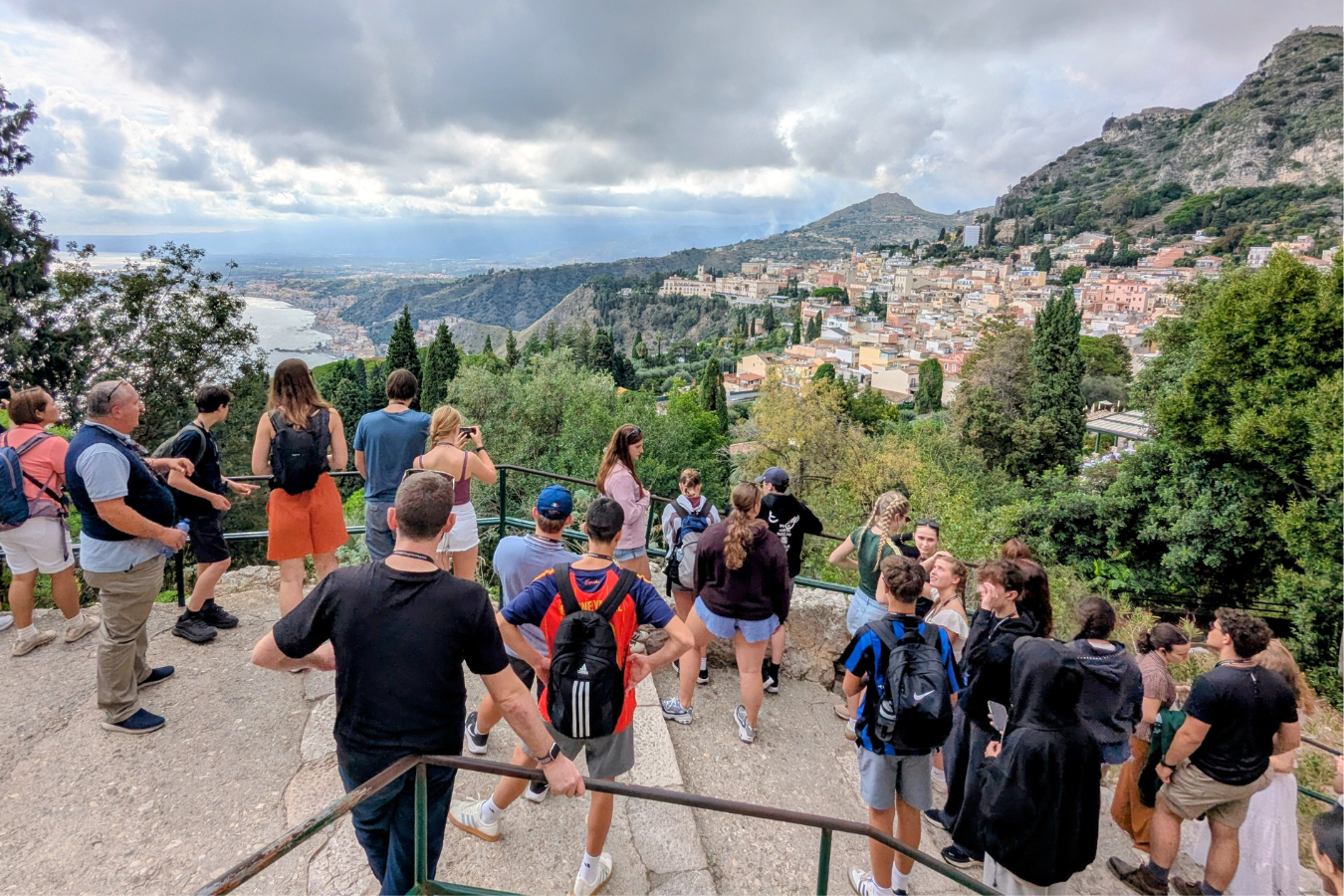
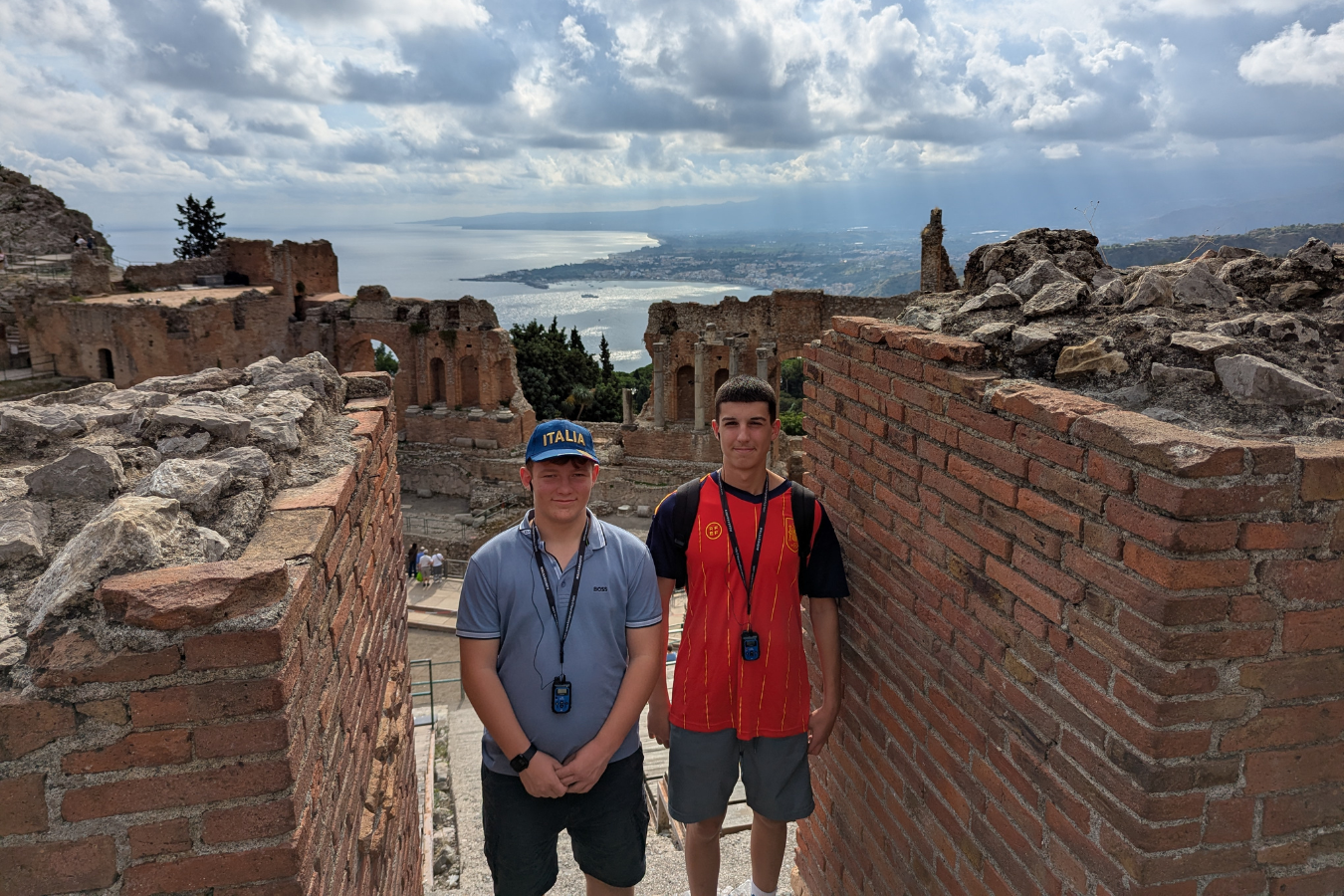
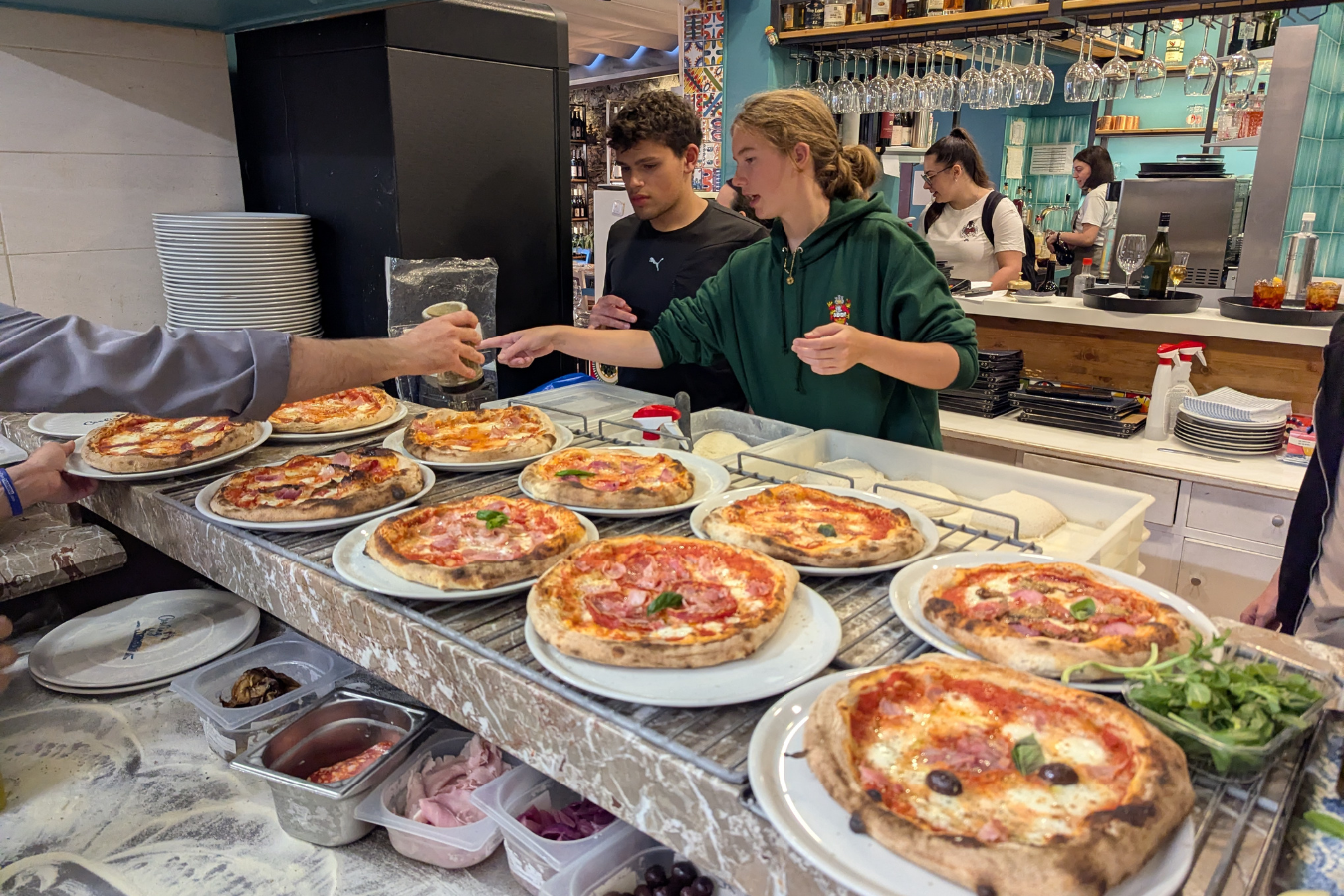
As if the itinerary was not already busy enough, the group also enjoyed river trekking along the Alcantara River, where some adventurous students, alongside Dr Russell and Mr Newport, took part in cliff jumping. A visit to the picturesque town of Taormina provided a change of pace, with pupils and students trying their hand at traditional Italian pizza-making, although some proved to be rather more natural chefs than others!
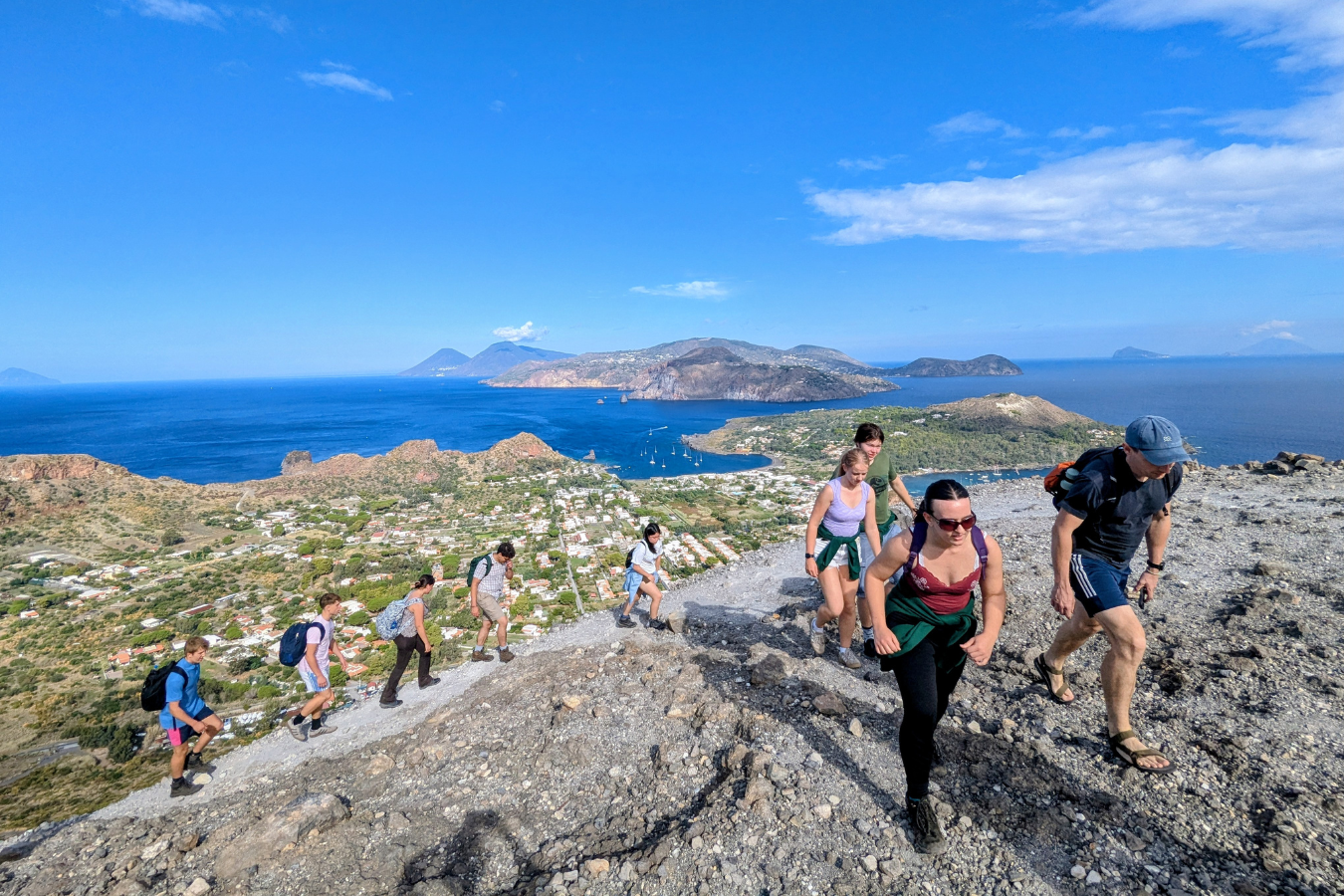
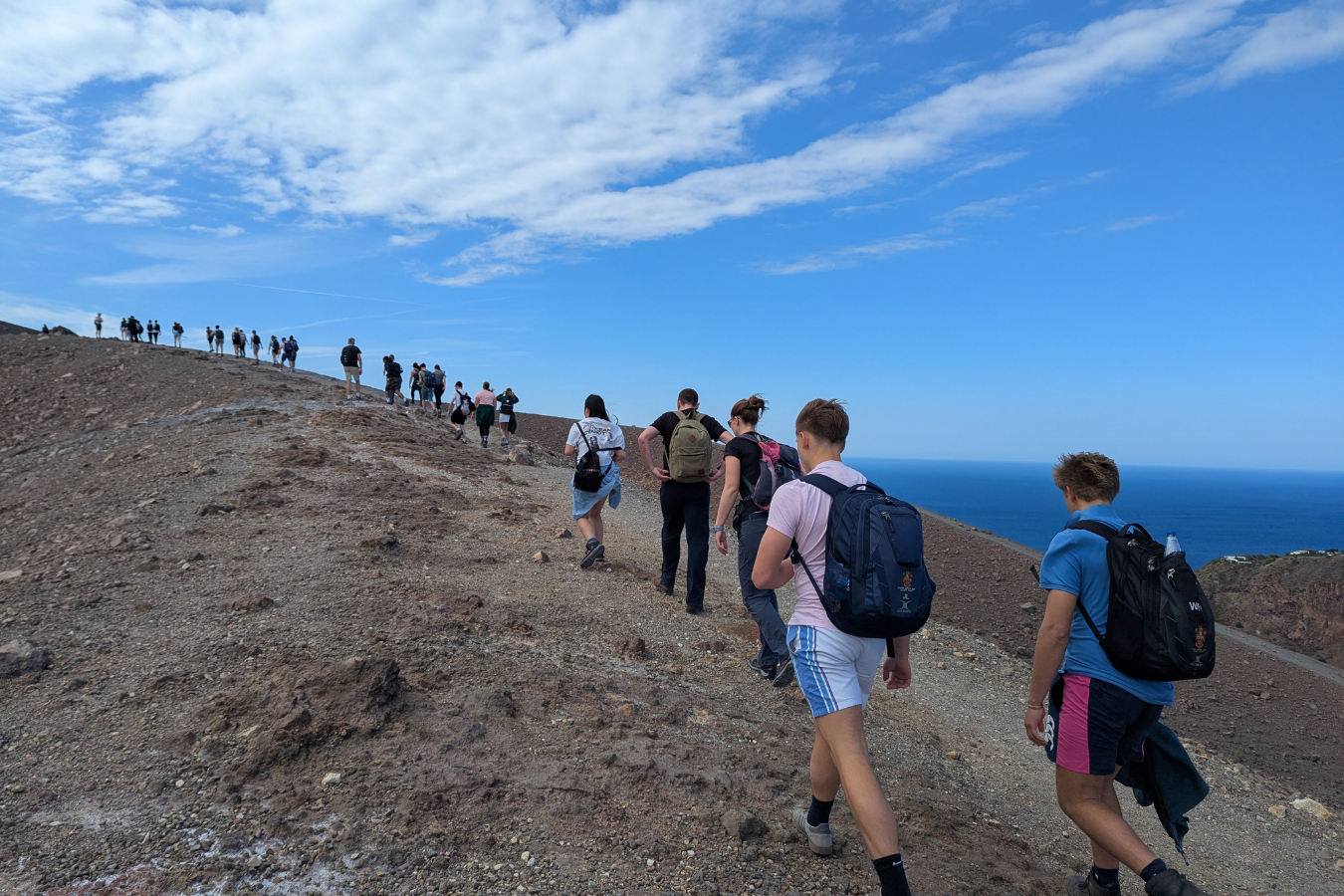
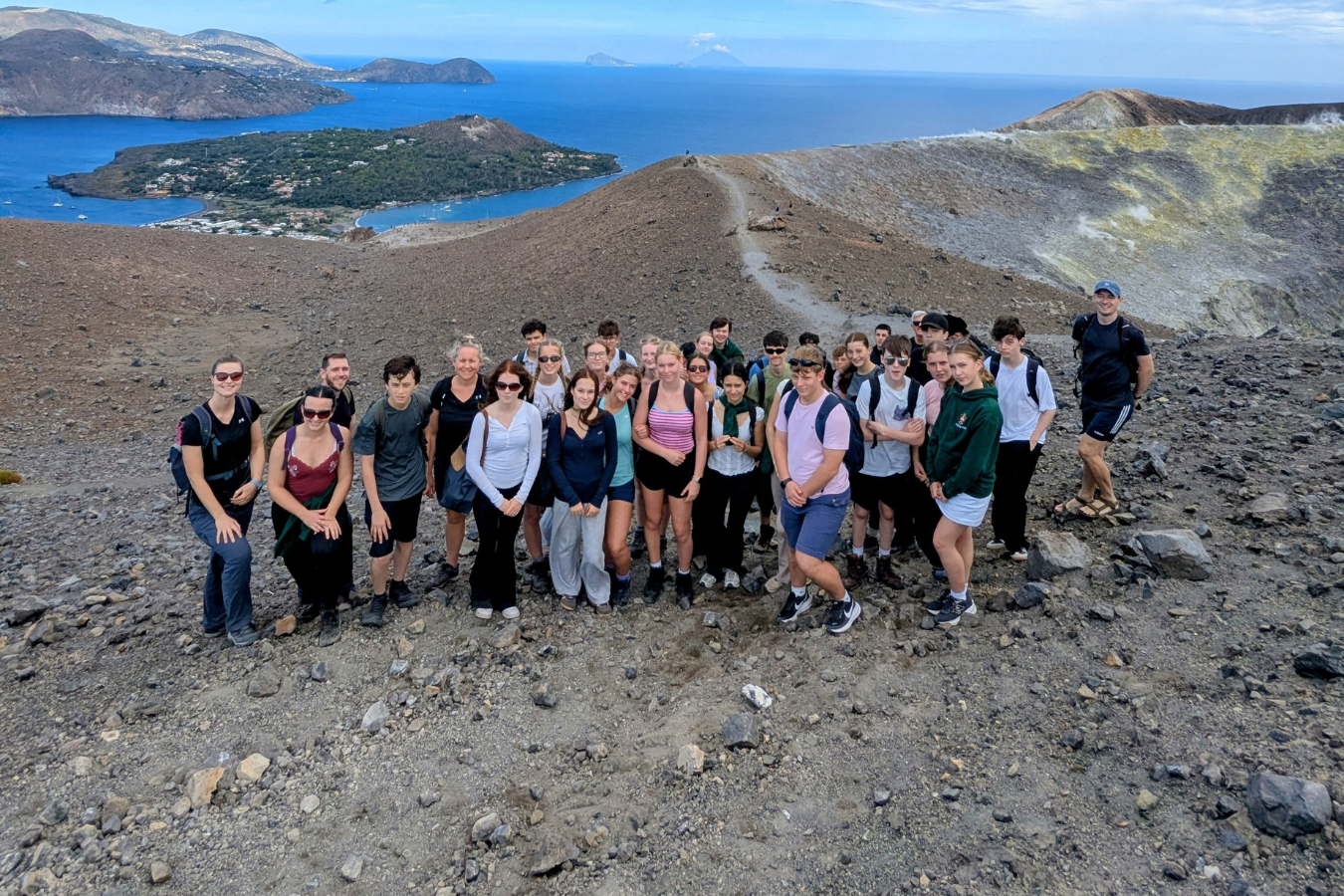
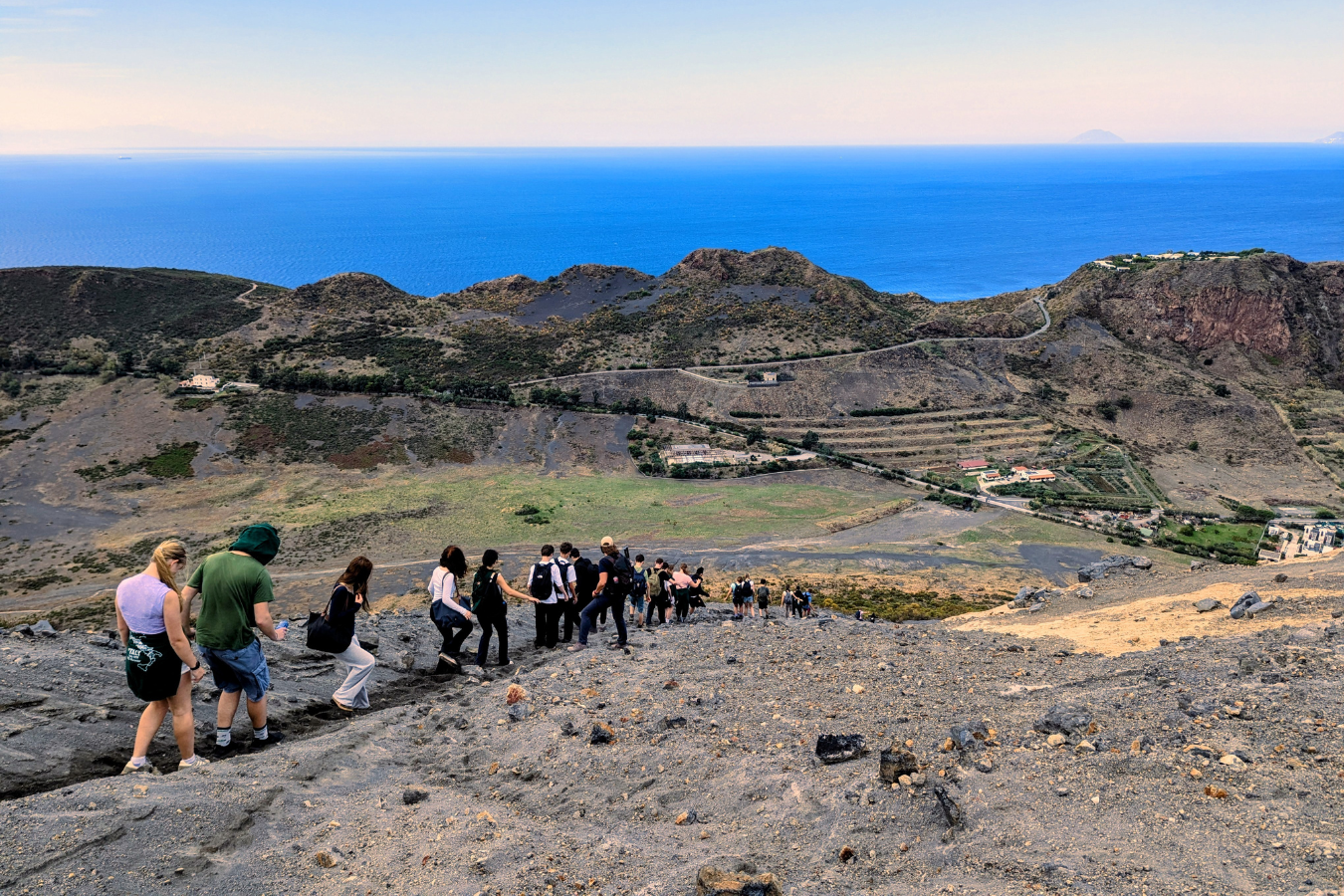
Another highlight was an excursion to the Aeolian Islands, travelling by boat to Vulcano. Accompanied by specialist guides, the group explored the island’s volcanic landscape, learning about geothermal activity and the distinctive geological features of the Gran Cratere. The descent also involved some exciting scree running, which proved an interesting choice for Mrs Stace and her bad back!
Despite a demanding schedule, occasional seasickness, some interesting packed lunches and even having to get ready in the pouring rain during a power cut, the group maintained excellent spirits throughout. The pupils’ behaviour was particularly impressive, with staff at the hotel in Sicily praising them as the best-behaved school group they had ever welcomed!
The trip provided an excellent opportunity to bring Geography and Classics learning to life, combining academic discovery with practical experiences and an appreciation of Italy’s natural and cultural heritage.
Our thanks go to the staff who organised and accompanied the trip, making this memorable educational experience possible.