CERN Trip Offers Unique Insight into International Science
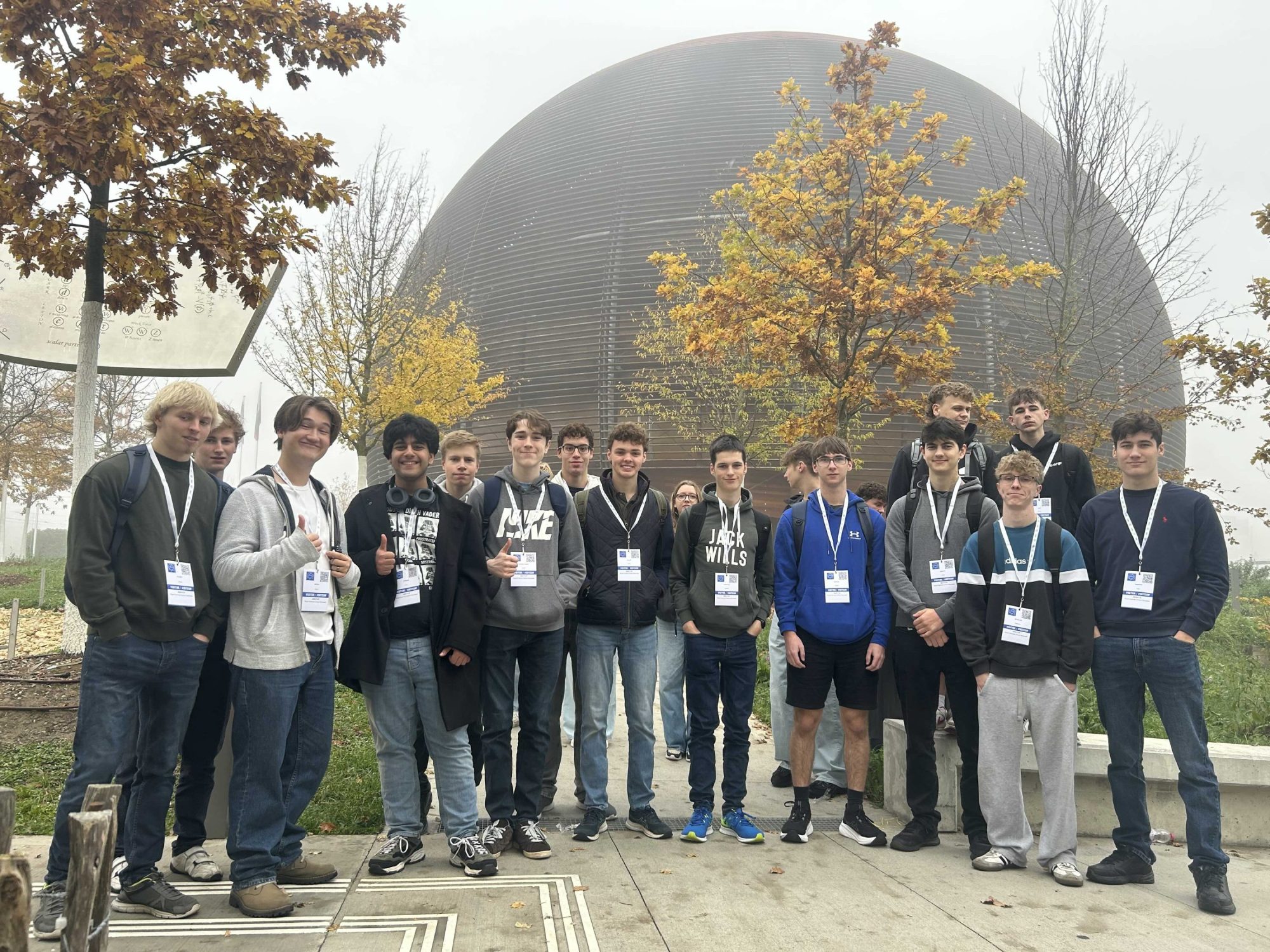
A group of enthusiastic Sixth Form Physics students travelled to Switzerland over Half term for a three-day educational visit centred around CERN, the world’s largest and most advanced particle Physics laboratory. The visit to Geneva proved to be an inspiring and highly educational experience for all students involved. During their time in Switzerland, students explored some of the world’s most influential scientific and humanitarian institutions, including CERN, the United Nations and the Red Cross Museum.
The first day began with a visit to the Red Cross Museum, where students viewed pages from the original Geneva Convention and explored humanitarian issues from both historical and modern perspectives. This was followed by a guided tour of the United Nations Office in Geneva, located in the Palais des Nations. Students observed a live debate in the main chamber and visited several conference rooms, including those used by world leaders. The tour offered valuable insight into the structure, role and global impact of the United Nations. The day concluded with a relaxing boat trip across the tranquil waters of Lake Geneva.
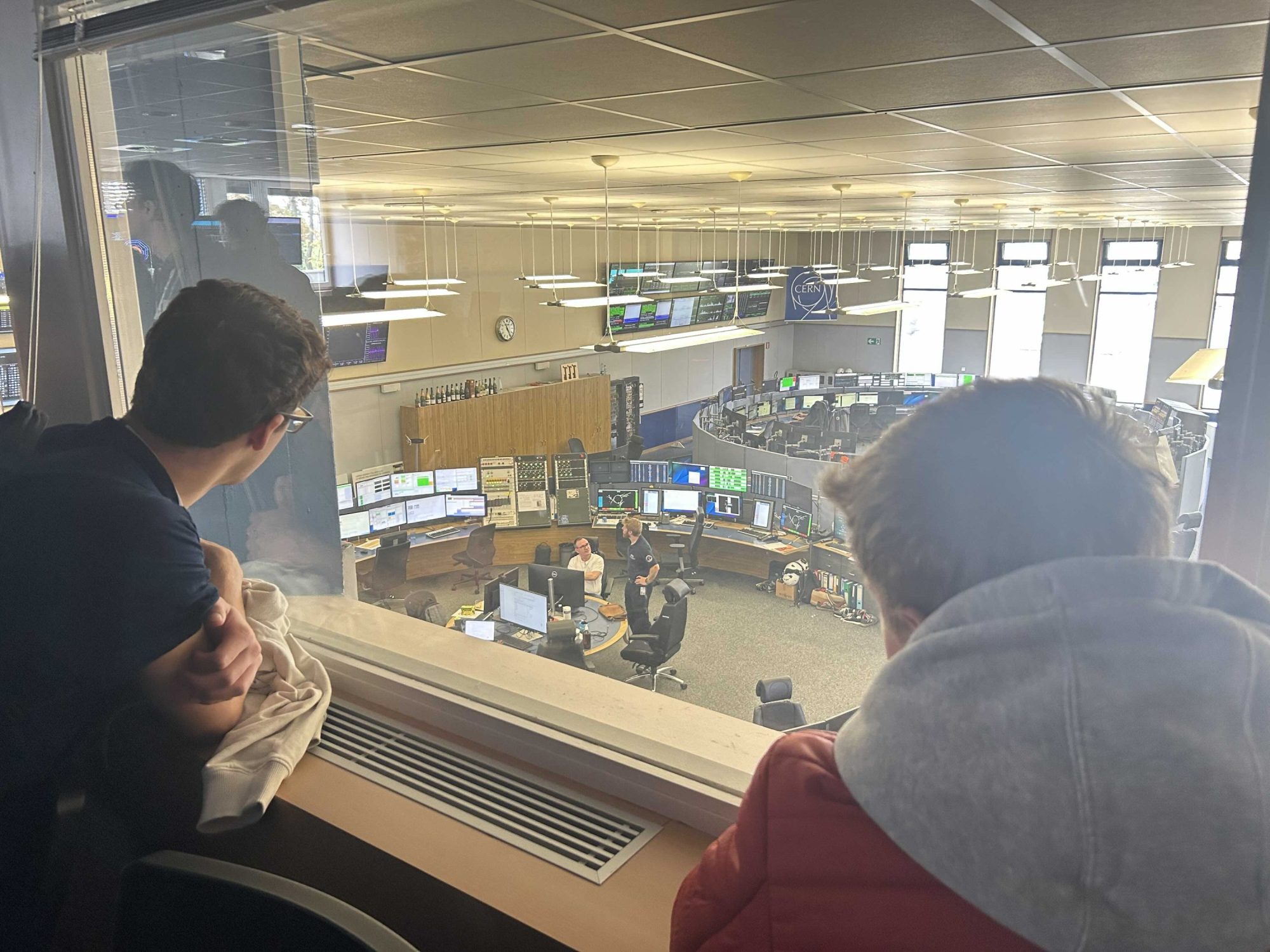
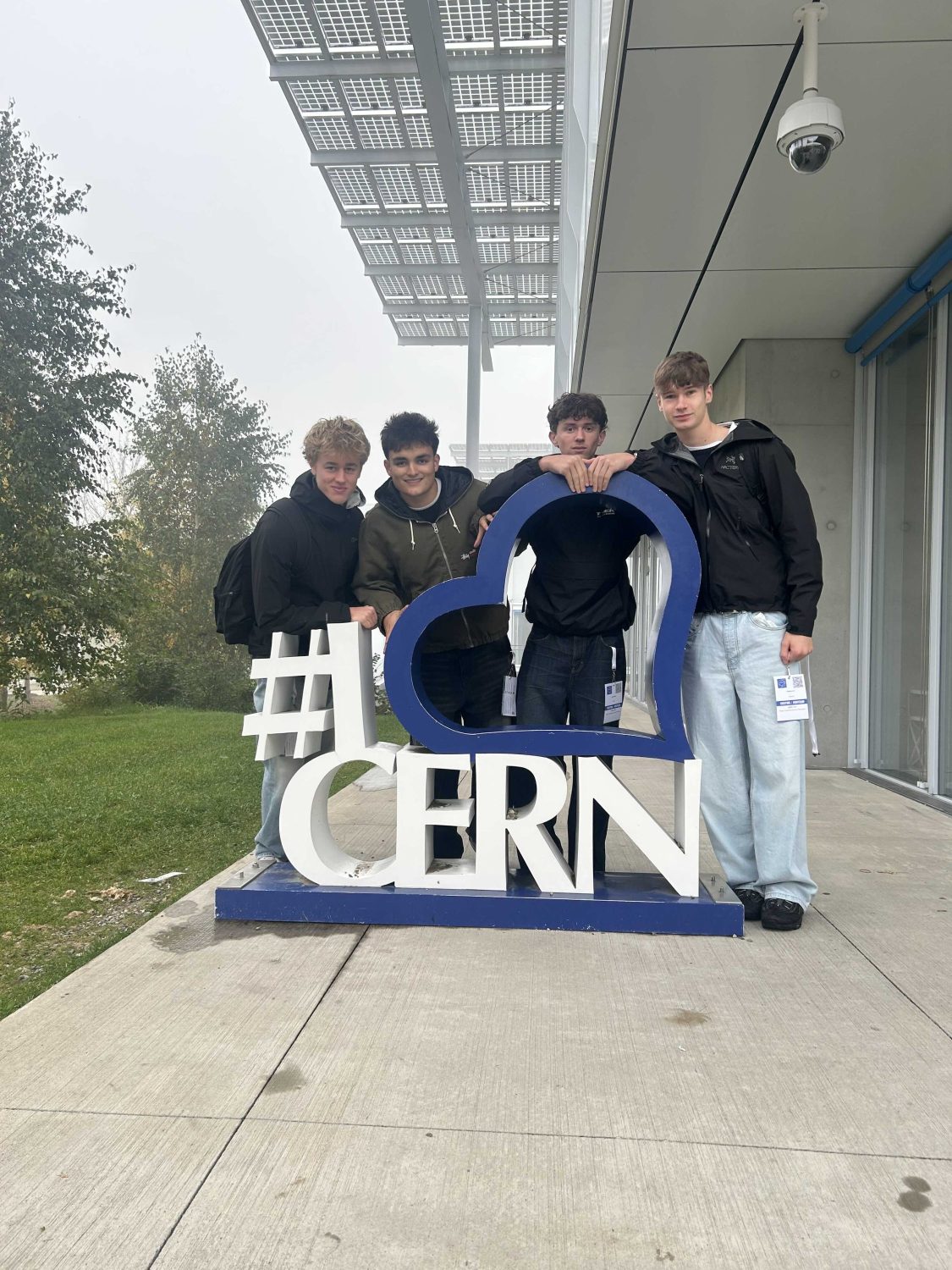
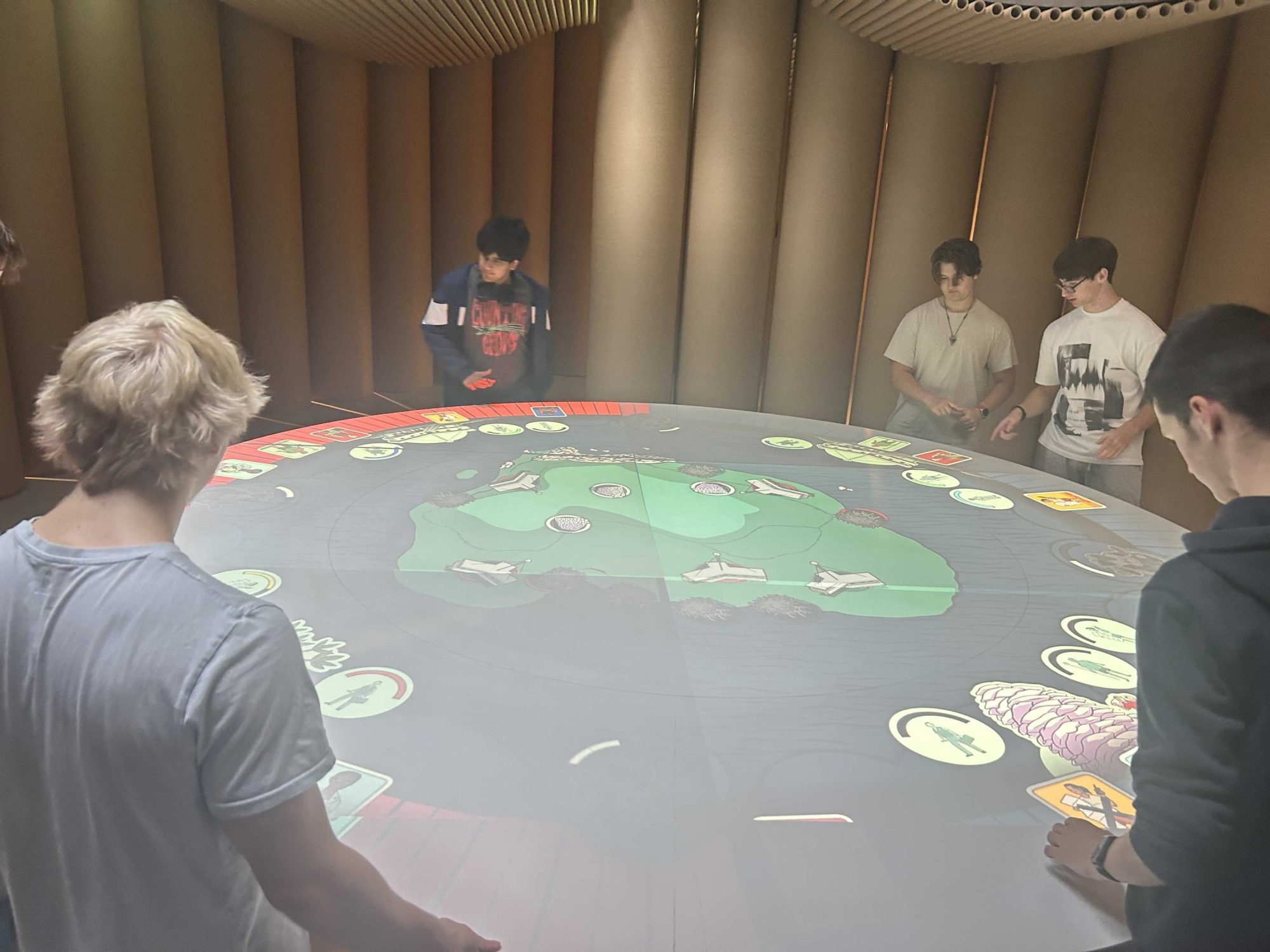
The visit to CERN was undoubtedly the highlight of the trip. Students had the rare opportunity to see particle accelerators up close and to have their operation explained by scientists actively engaged in research. The group learned about the history and development of CERN’s facilities, observed the control room for the Large Hadron Collider, and explored supporting accelerators, detectors and experiments. A tour led by an on-site engineer provided a behind-the-scenes look at the maintenance and engineering challenges involved, as well as the advanced materials used in ongoing projects. Connections to the A Level Physics curriculum were made throughout, helping to bring abstract concepts to life. Students also gained an appreciation for the importance of international collaboration in cutting-edge scientific research and saw recent examples of technologies developed at CERN that are now used in medical treatments such as cancer therapy. The day concluded with a fascinating live science talk exploring the mysteries of matter, followed by a well-deserved evening of bowling.
On the final day, the group visited the Museum of the History of Science, which showcased the development of scientific understanding through the ages. Interactive exhibits and an engaging, mostly French-language show provided plenty of opportunities for participation. The trip concluded with a walking tour of Geneva’s historic old town, including a visit to the city’s cathedral, where students learned about its history before climbing the towers to enjoy breathtaking views of the city and Lake Geneva below.
Overall, the CERN trip was an extraordinary experience – educational, inspiring and unforgettable for all who took part!
Mr Neil Rowlinson, Head of Physics