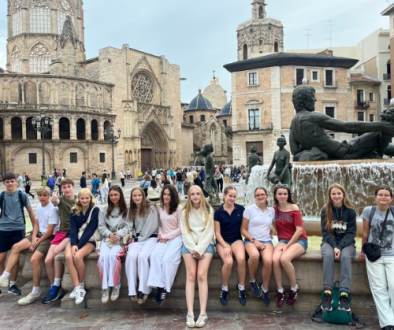
Upper Sixth Discover the Secrets of the Universe at CERN
Few school trips take students to the frontier of human knowledge, but this year’s Upper Sixth Physics visit to Geneva did exactly that. Its centrepiece was CERN, the European Laboratory for Particle Physics, where the largest and most intricate machines ever constructed are used to probe the fundamental particles from which everything is made, and so to deepen our understanding of how the universe works.
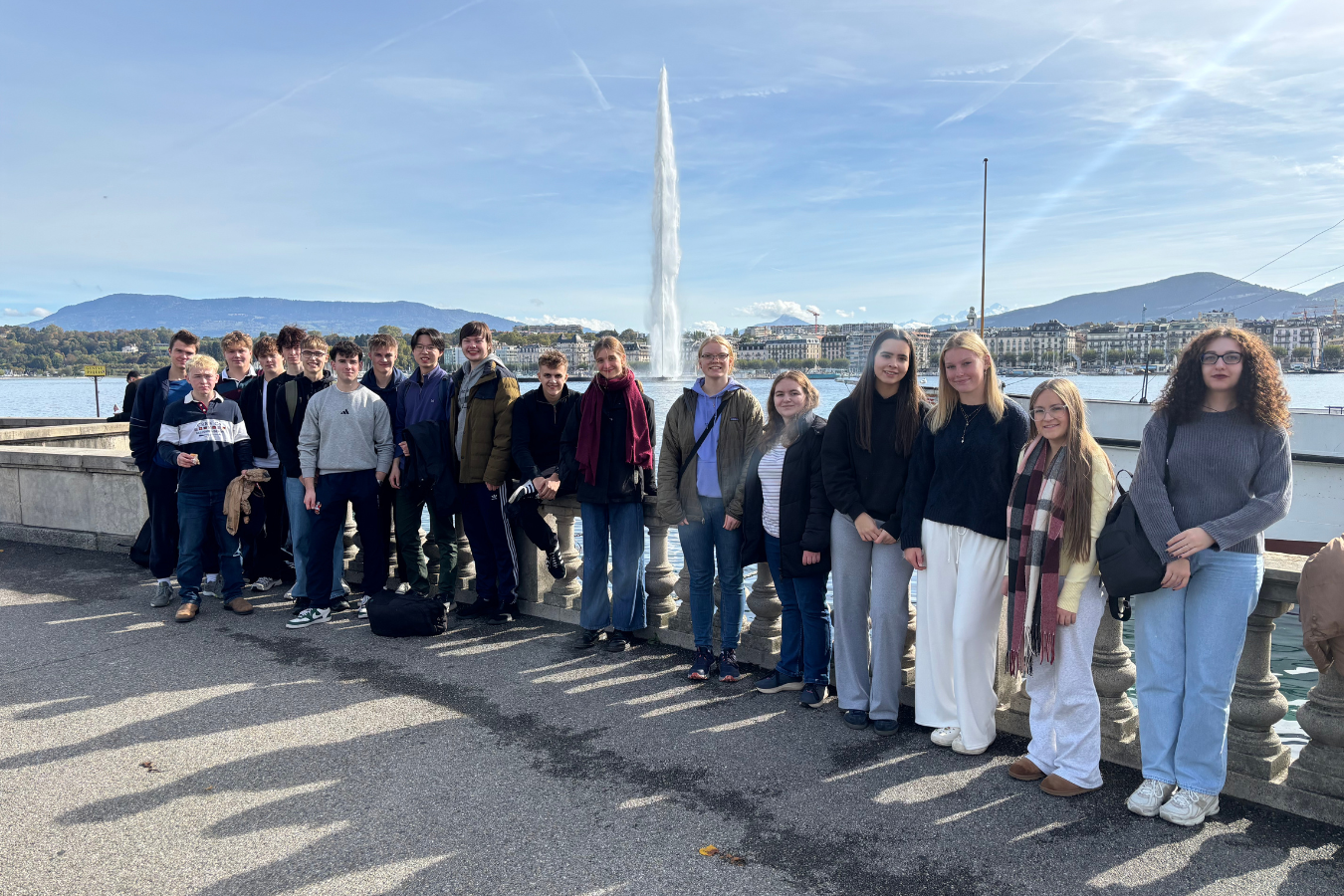
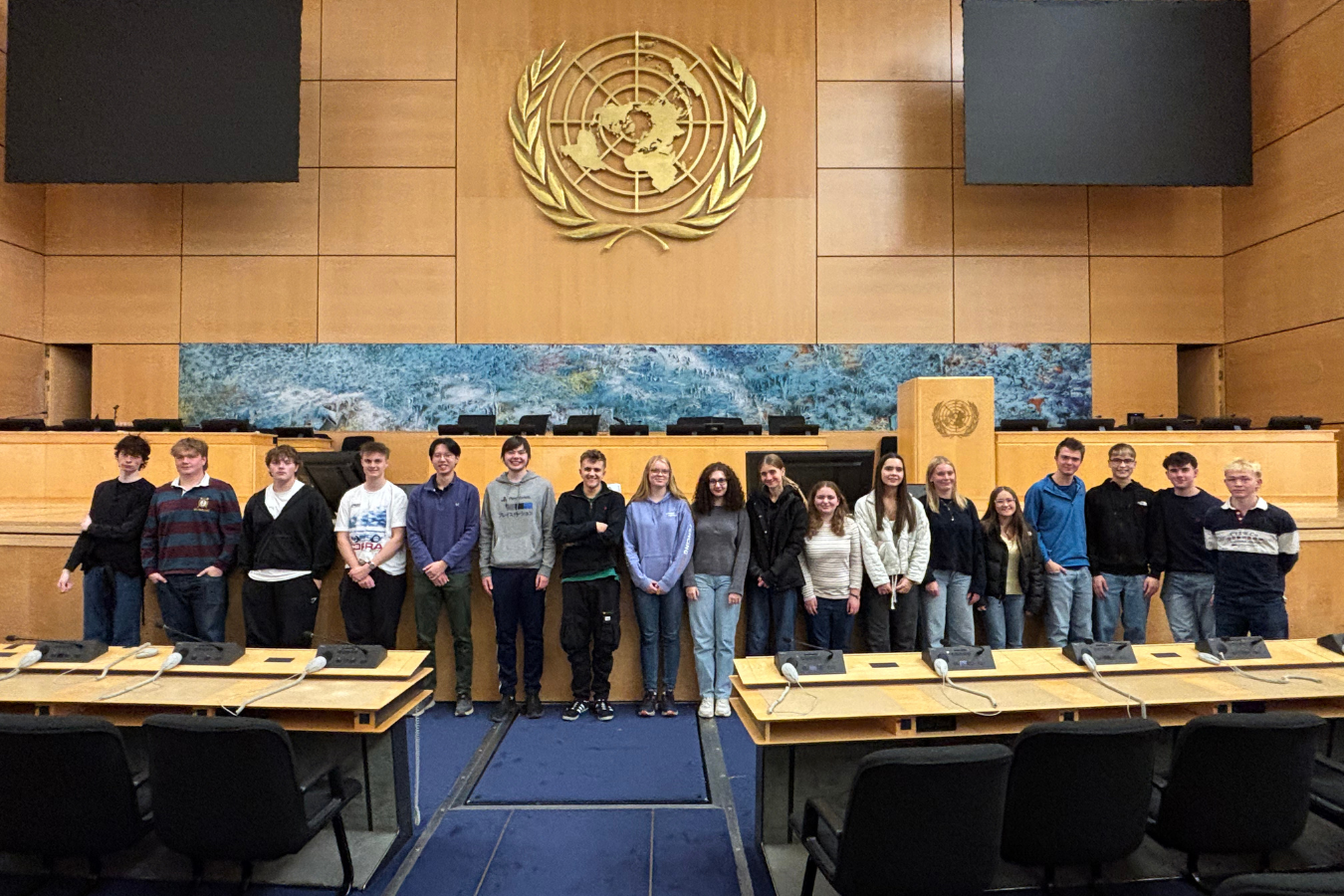
The trip began at a gentler pace. Soon after landing, the group was out on the water for a cruise across a calm, sunlit lake, taking in Mont Blanc, the cathedral, the city’s historic waterfront and the famous Jet d’Eau. From there it was on to the Palais des Nations, home of the United Nations Office at Geneva. A guided tour took students into the main debating chamber and a number of conference rooms, many of them familiar settings for meetings of world leaders, and left them with a much clearer picture of how the United Nations is organised, what it does and the influence it has across the globe.
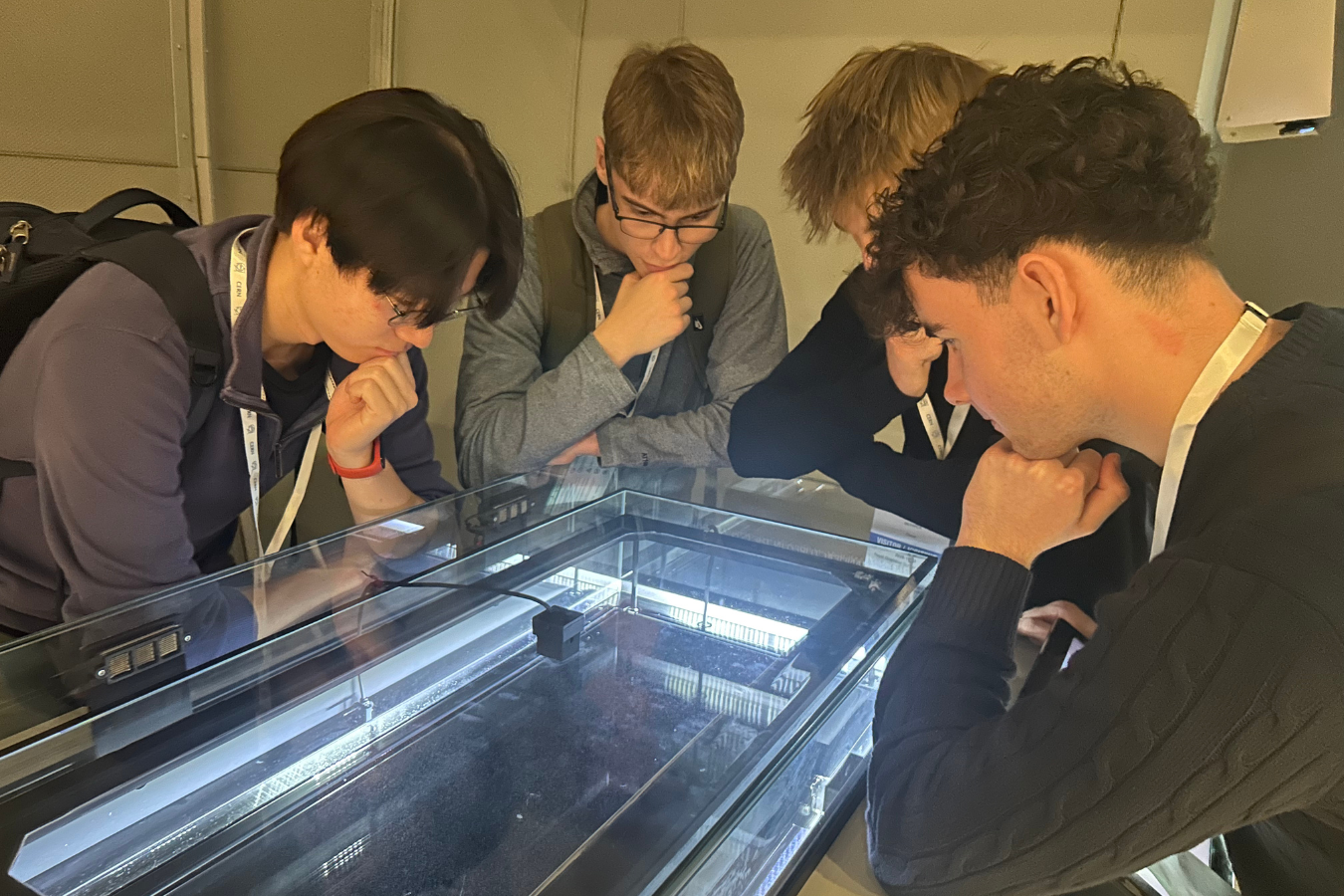
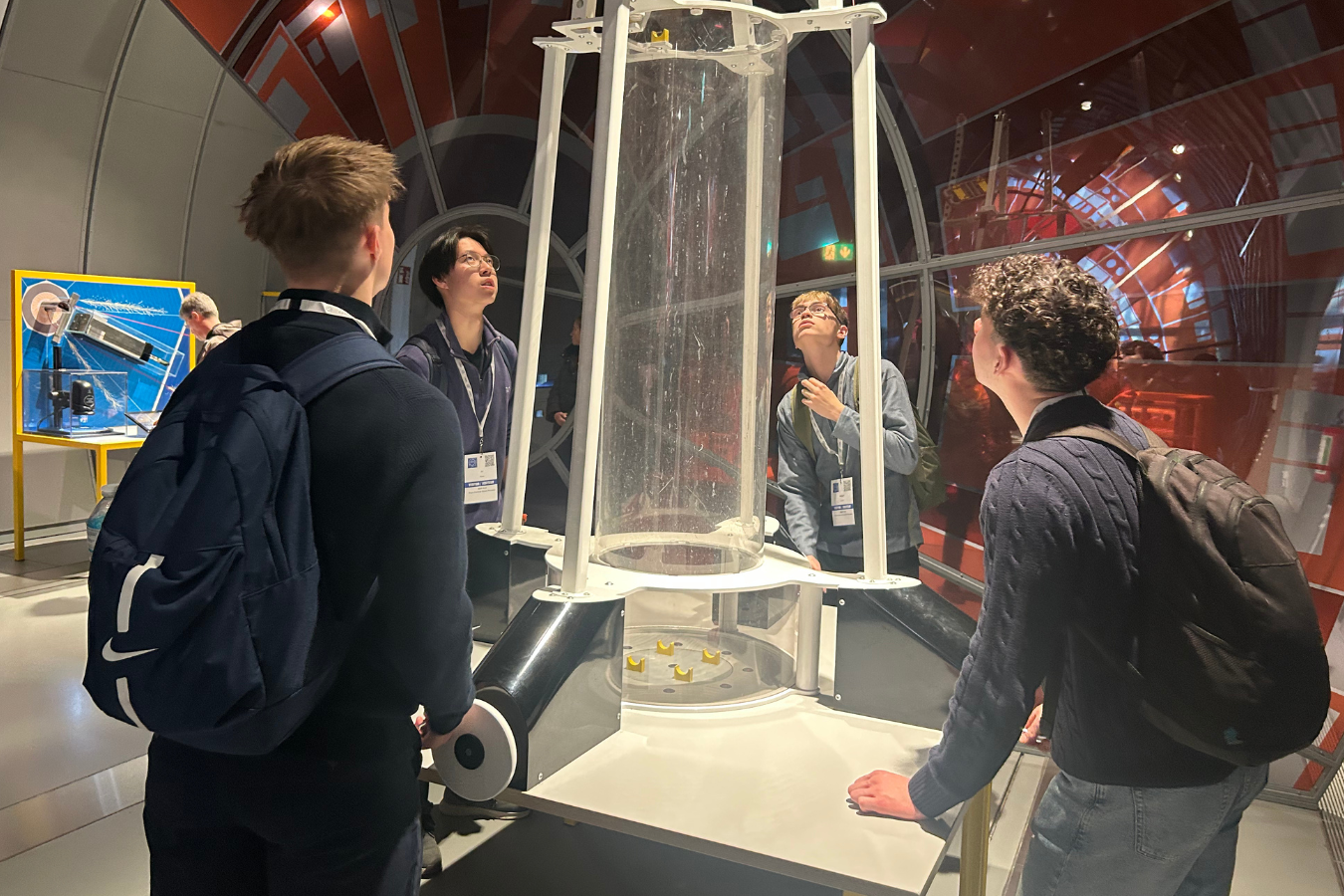
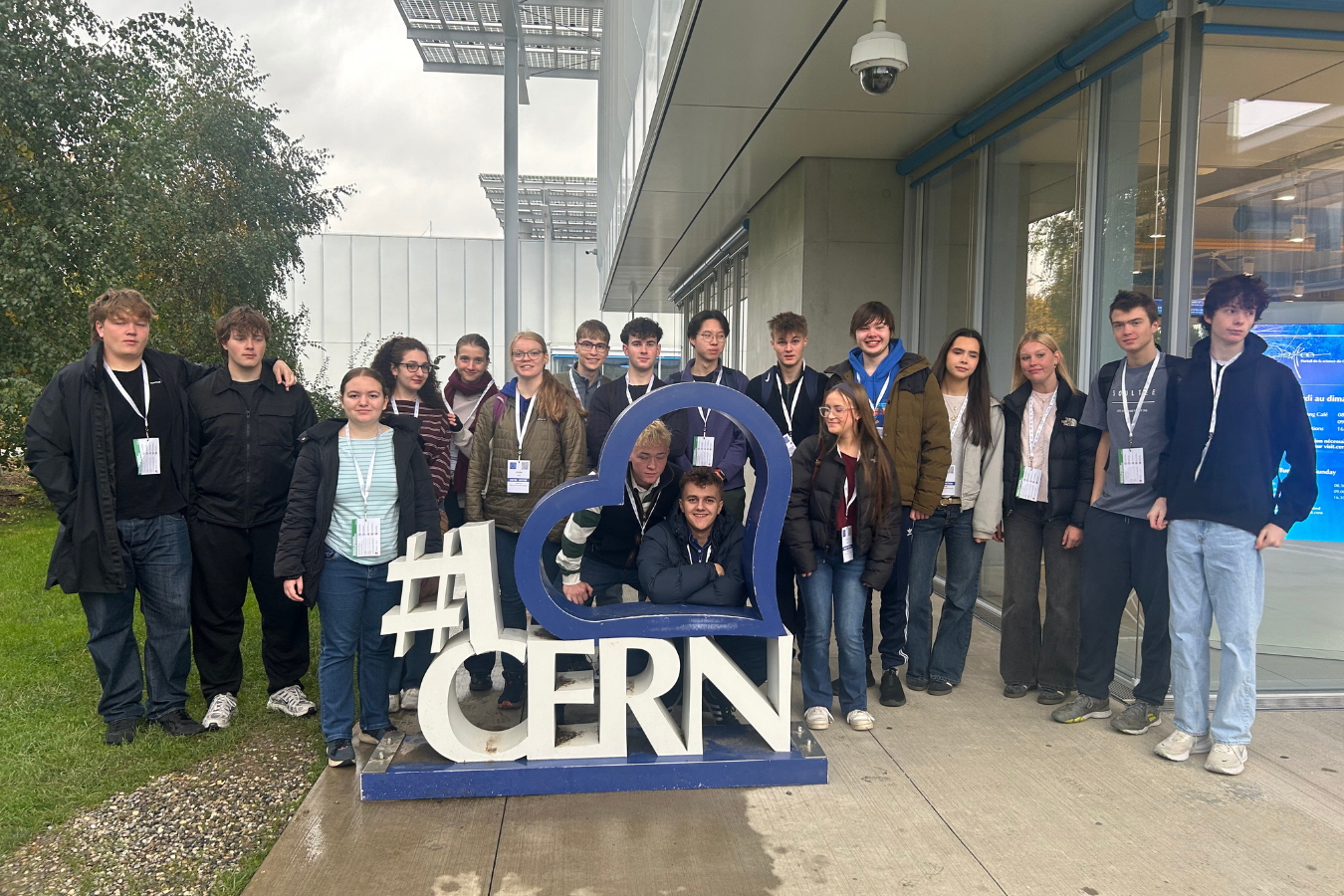
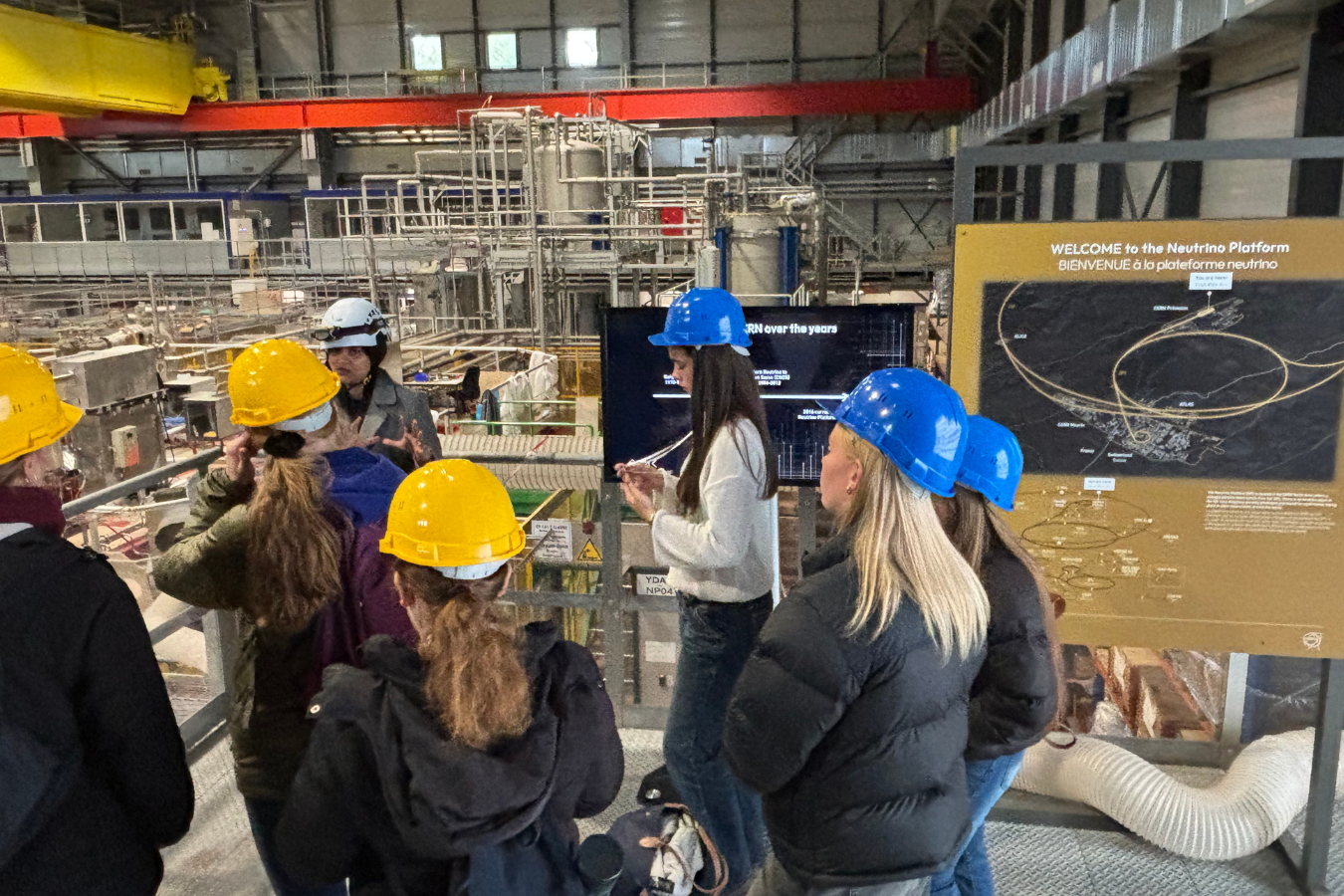
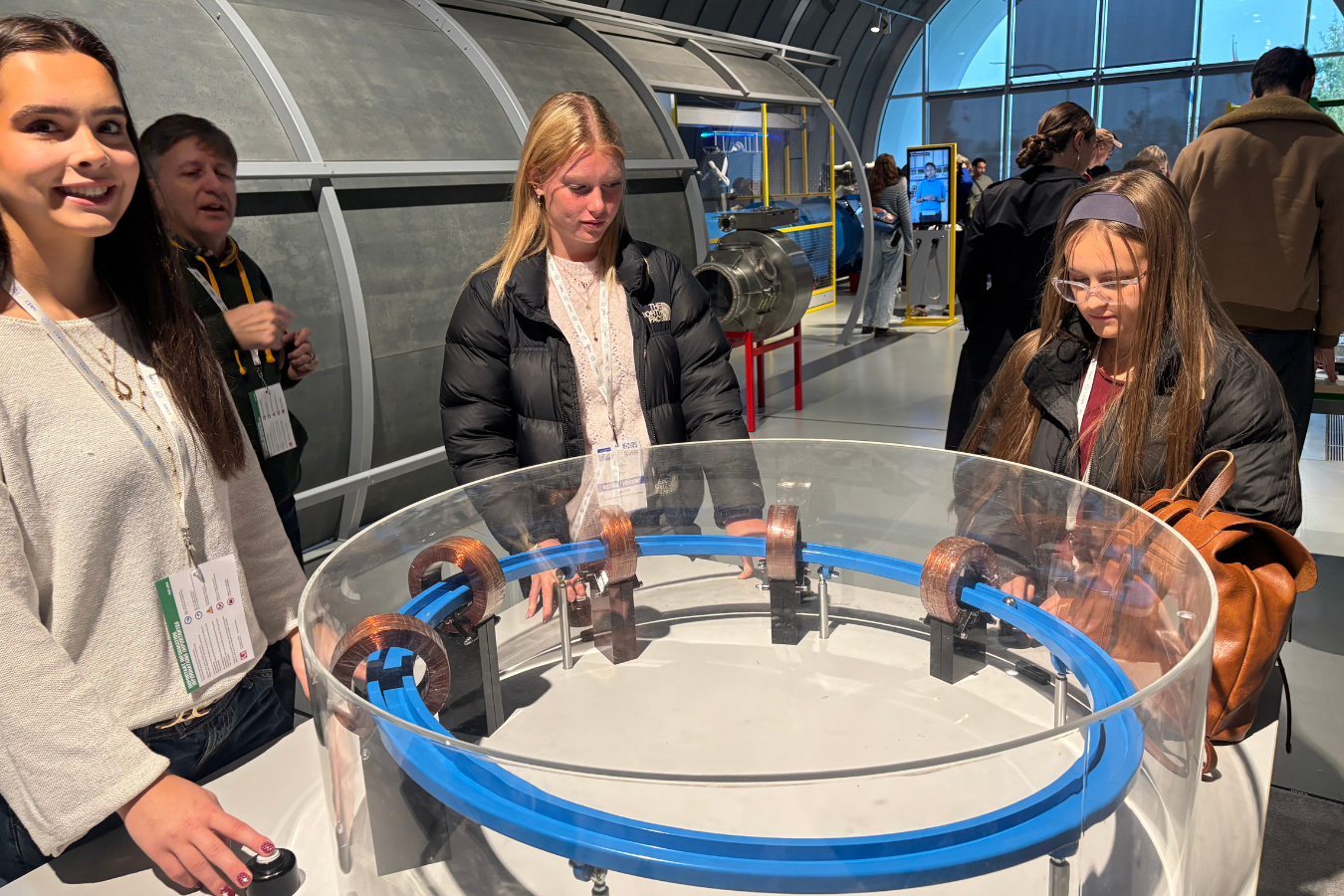
The day at CERN was, without question, the high point. It is unusual for visitors to get so close to working particle accelerators, and rarer still to hear them explained by the researchers who use them. Students traced the story of how CERN’s facilities have grown, got to grips with the layout and underlying principles of the Large Hadron Collider, and looked at the chain of smaller accelerators, detectors and experiments that support it. One of CERN’s own engineers then took the group behind the scenes, describing the engineering and maintenance problems the teams face, the advanced materials used in current projects and the work under way on the newest neutrino detectors.
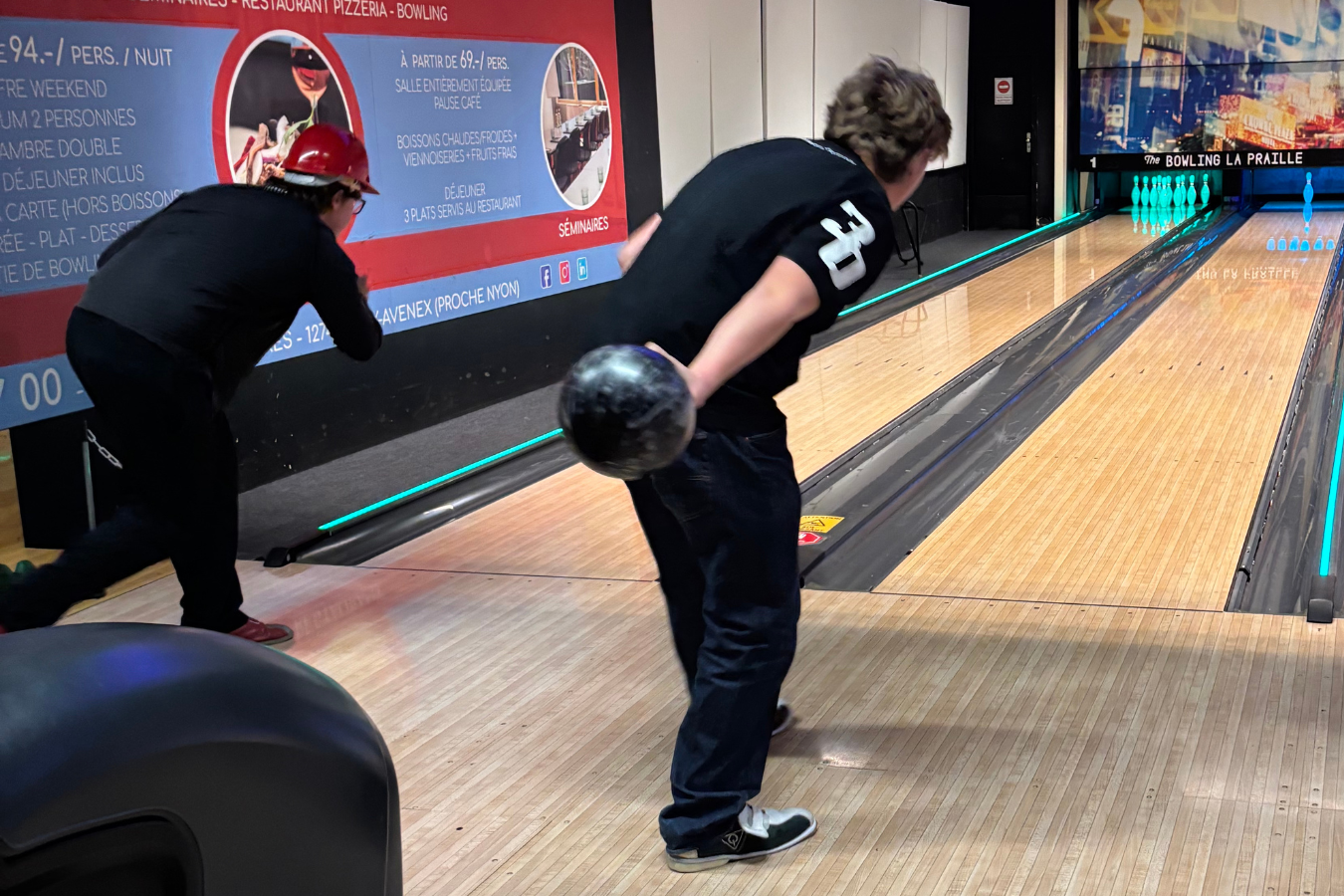
At every stage there were connections to the A Level Physics course, and ideas that can seem abstract in the classroom suddenly had a physical reality. Students also saw how much research at this level depends on countries working together, and how technology that began at CERN is now helping patients, notably in the treatment of cancer. A lively science talk on the mysteries of matter rounded off the day, before the group swapped particle collisions for a well-earned evening at the bowling alley. More collisions!
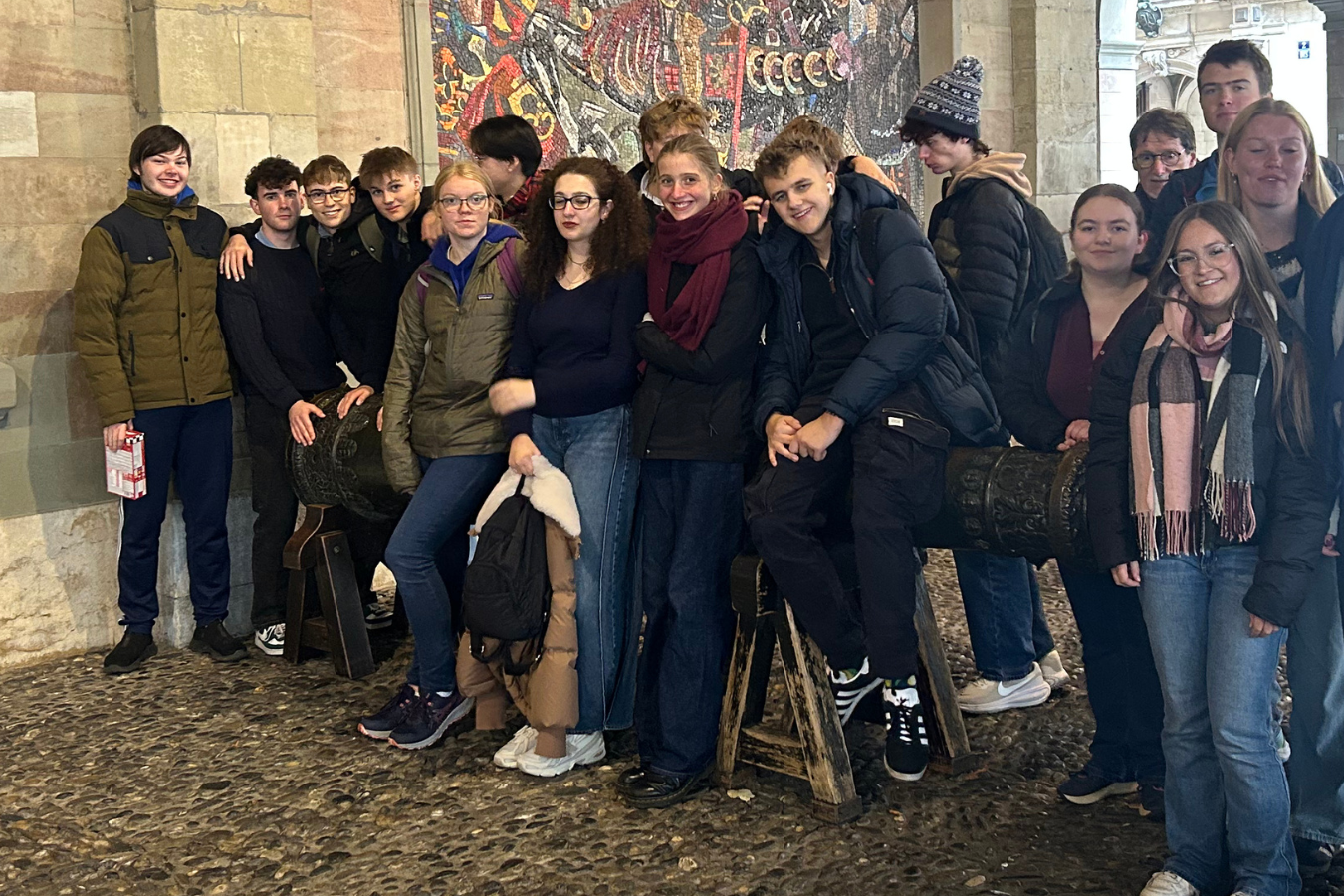
The final day had a different focus. At the International Red Cross and Red Crescent Museum, students stood before pages of the original Geneva Convention and reflected on humanitarian questions past and present. The Musée d’histoire des sciences followed, charting how scientific understanding has developed over the centuries; its hands-on exhibits and an entertaining show, presented mostly in French, drew plenty of willing participants. A walk through Geneva’s Old Town brought the visit to a close, with a stop at the cathedral to read about its history. The keenest students went further, picking out the Latin plaques and attempting their own translations.
Educational, inspiring and thoroughly enjoyable, this was a trip that those who took part will remember for a long time.
Dr N Rowlinson, Head of Physics and Section Leader i/c CCF RAF